
Why Fences Aren’t Enough: Keeping Your Dog Safe at Home
Many dog owners believe that installing a fence automatically keeps their dog safe. While fences are helpful, they are only one part of home safety. Dogs are curious, fast, and easily distracted, and a fence alone cannot prevent every accident or dangerous situation. Understanding the limits of fences helps dog owners take extra steps to protect their dogs at home.
Dogs Can Escape More Easily Than You Think
Dogs are natural explorers. A squirrel, another dog, loud noises, or people walking by can trigger excitement and cause a dog to test the fence. Some dogs dig underneath, chew through weak spots, squeeze through gaps, or jump higher than expected.
Over time, fences can wear down. Wood can rot, metal can rust, and soil can loosen around posts. A small opening that seems harmless can quickly turn into an escape route. Regular fence checks are important, but even a well maintained fence does not guarantee containment.

Supervision Is Still Necessary
A fenced yard does not replace supervision. Many accidents happen when dogs are left alone outside for long periods. Without supervision, dogs may dig, chew dangerous objects, or injure themselves trying to get out.
Supervision allows you to notice warning signs early, such as pacing, fence running, or obsessive barking. Stepping in early prevents these behaviors from becoming habits or leading to injury.
Fences Do Not Protect Against Outside Threats
While a fence keeps your dog in the yard, it does not protect them from outside dangers. Other dogs, wildlife, and even strangers can approach the fence. This can lead to fear, stress, or aggressive behavior.
Fence fighting and barrier frustration are common problems. Dogs may repeatedly bark or charge the fence, increasing stress levels and making them more reactive over time. This behavior can also increase the risk of injury if dogs become tangled or break through weak spots.

Training Adds an Important Layer of Safety
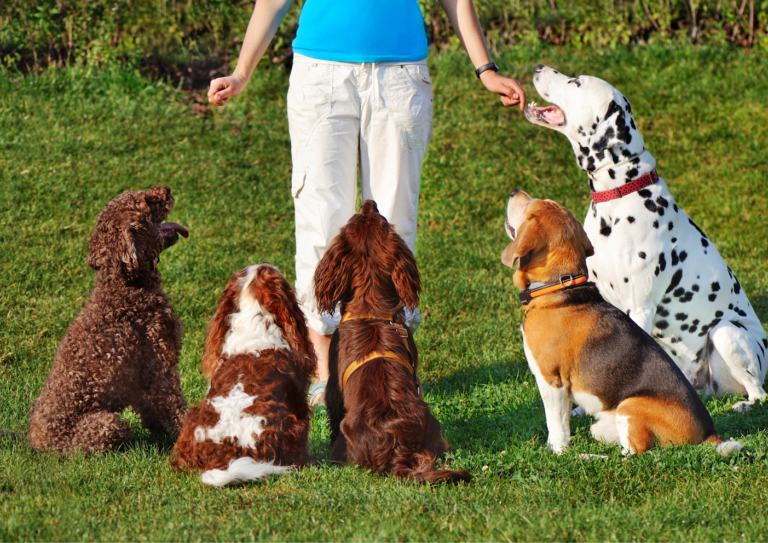
Training teaches dogs how to behave when distractions appear. A dog that understands boundaries and responds to commands is easier to manage, even in exciting situations.
Important safety related skills include:
• Coming when called
• Staying calm around the fence line
• Respecting boundaries
• Responding to direction from the owner
Training helps dogs make better decisions and reduces the chances of escape.
Boredom Can Lead to Dangerous Behavior
Dogs left outside without interaction or stimulation often become bored. Bored dogs are more likely to dig, chew, bark excessively, or attempt to escape.
Providing daily exercise, mental stimulation, and quality time helps reduce frustration. Walks, training sessions, puzzle toys, and playtime all help meet your dog’s needs and reduce risky behavior.
Add Extra Safety Measures at Home
Combining a fence with additional safety tools makes a big difference:
• Lock gates securely
• Repair damage immediately
• Limit unsupervised outdoor time
• Use baby gates or closed doors indoors
• Bring dogs inside during high activity times
These steps create multiple layers of protection.

Final Thoughts
Fences are useful, but they are not enough on their own. True dog safety at home comes from a combination of supervision, training, regular maintenance, and meeting your dog’s physical and mental needs. By looking beyond the fence, you can create a safer environment where your dog stays secure, confident, and protected.
"*" indicates required fields