Impulse Control

Signs Your Dog Needs More Impulse Control

Does your dog get overly excited when someone walks through the door? Do they struggle to wait for food, pull toward other dogs, or react before you even have a chance to give a command? These behaviors may be signs that your dog needs more impulse control.
Impulse control is the ability to pause, wait, and think before reacting. It helps dogs make better choices in everyday situations instead of immediately acting on excitement, frustration, or curiosity. It is an important part of obedience training and can make daily life with your dog much easier.
Here are some common signs that your dog may need more practice with impulse control.

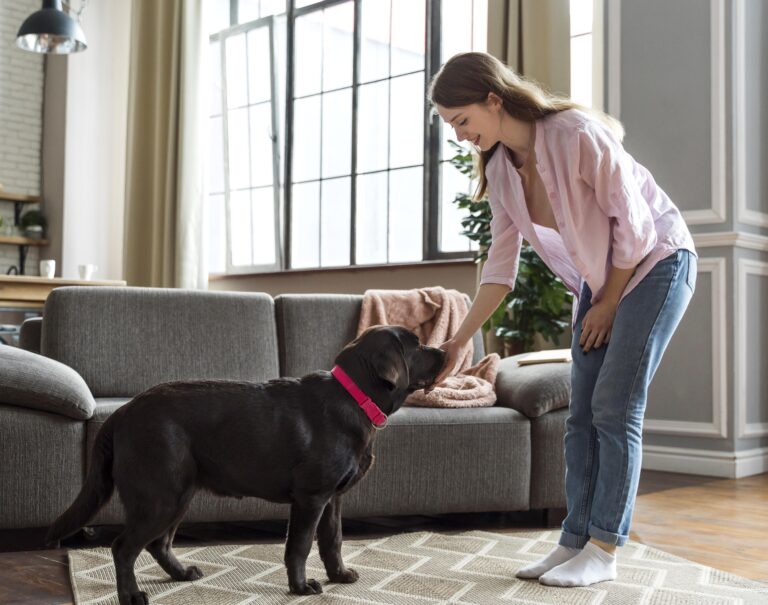
1. Your Dog Jumps on People When Greeting Them
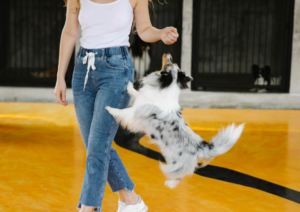
Some dogs get so excited when they see someone that they immediately jump, paw, or push their way toward the person. They may not be trying to misbehave, but they have difficulty controlling their excitement.
Teaching your dog to wait calmly before receiving attention can help. Practice asking for a sit or keeping all four paws on the floor before allowing greetings. Reward calm behavior instead of giving attention while your dog is jumping.
Impulse Control

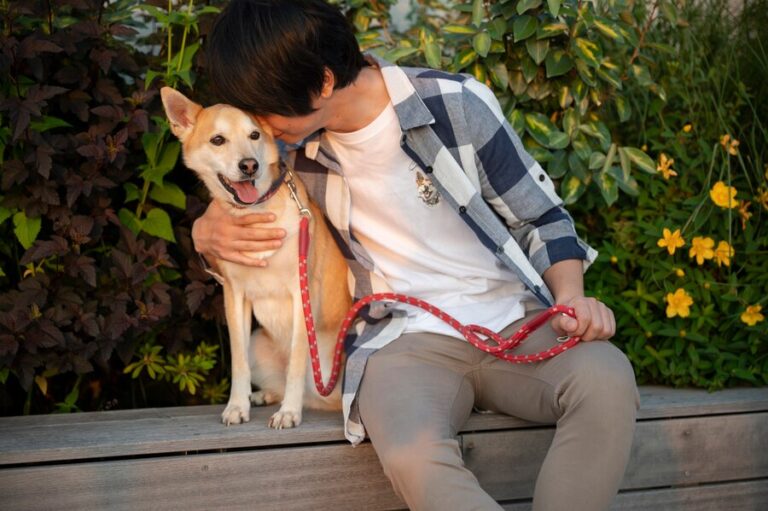
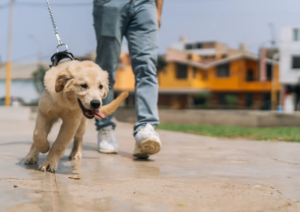
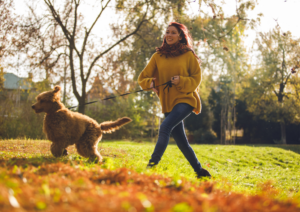
2. Your Dog Pulls Toward Everything on Walks

If your dog constantly pulls toward people, other dogs, smells, or anything interesting, they may be acting on impulse rather than paying attention to you.

Walks should involve more than simply getting from one place to another. Practice having your dog walk beside you, respond to changes in direction, and wait before approaching something they want to investigate.
Impulse Control

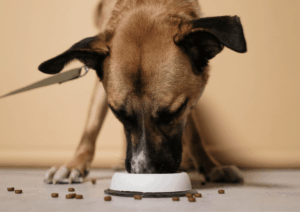
3. Your Dog Struggles to Wait for Food or Treats

Does your dog rush toward their food bowl, snatch treats from your hand, or become impatient when waiting for something they want?

These behaviors can show that your dog has difficulty delaying gratification. Practice simple exercises such as waiting briefly before meals or taking treats gently. Keep expectations realistic and reward your dog for remaining calm.
Impulse Control

4. Your Dog Reacts Immediately to Every Distraction

A passing dog, a moving vehicle, a bird, or a sudden noise can quickly take your dog’s attention away from you.
Some dogs bark, lunge, chase, or become overly excited before their owner can redirect them. Teaching your dog to notice distractions without immediately reacting can help improve their focus.

Start at a distance where your dog can still respond to you. Reward calm behavior and gradually work closer to distractions as your dog becomes more comfortable.
Impulse Control

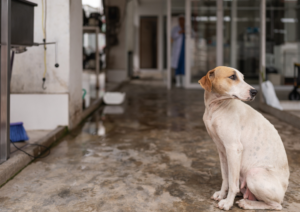
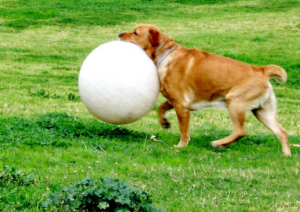
5. Your Dog Has Trouble Staying in One Place

If your dog constantly gets up from their bed, leaves their designated spot, or breaks a stay command whenever something happens, they may need more practice with patience and self-control.

Commands such as Place and Stay teach dogs to remain in position even when there are things happening around them. Begin in a quiet environment and slowly introduce distractions while rewarding your dog for staying where they were asked.
Impulse Control

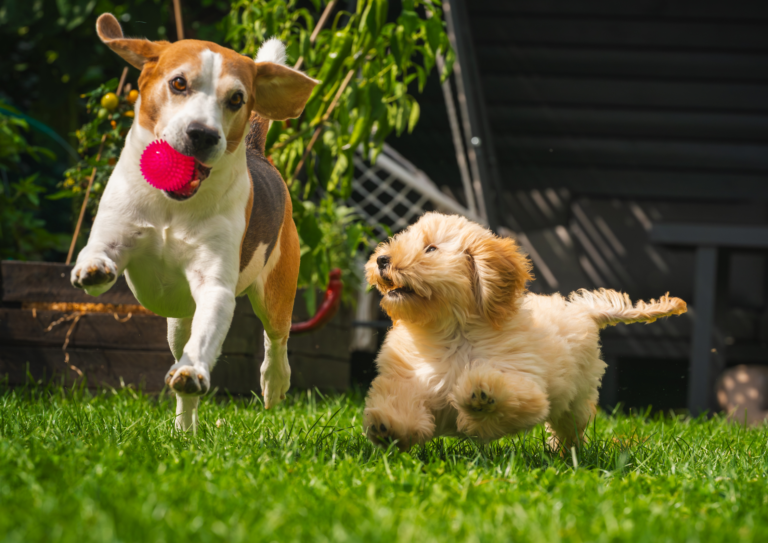
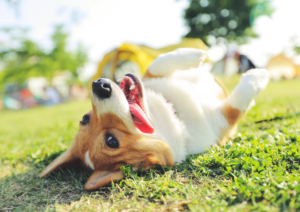
6. Your Dog Gets Overexcited During Playtime

Playtime should be fun, but some dogs have difficulty calming down once they become excited. They may jump, mouth hands, bark excessively, or struggle to stop when play is over.

Practice introducing short pauses during play. Ask your dog to settle or respond to a familiar command before continuing. This helps teach them that excitement does not mean they can ignore boundaries.
Impulse Control

7. Your Dog Acts Before You Give a Command

Does your dog rush through doorways, bolt out of the car, or grab something before you can tell them what to do?

These situations show why impulse control matters beyond basic obedience. Teaching your dog to wait for permission before moving through doors, getting out of the car, or approaching something can help prevent unwanted behavior and improve safety.
Impulse Control

How Can You Improve Your Dog’s Impulse Control?

Impulse control improves through regular practice and clear expectations. Start with simple exercises your dog can understand, then gradually make them more challenging.
Practice waiting before meals, staying in place while you move around, walking calmly on a leash, and responding to commands around distractions. Reward your dog when they make the right choice, and avoid expecting them to handle situations they are not ready for yet.
Consistency is important. If your dog is allowed to jump, rush through doors, or ignore commands in some situations but not others, it becomes harder for them to understand what is expected.

Final Thoughts

A dog that struggles with impulse control is not necessarily a stubborn dog. They may simply need more practice learning how to pause, wait, and respond instead of reacting immediately.

From greeting visitors to walking on a leash, these everyday situations are opportunities to build better habits. With consistent training, your dog can learn to manage excitement, pay attention around distractions, and make better decisions throughout the day.


Website Contact Form

"*" indicates required fields
This field is for validation purposes and should be left unchanged.
Name*

Similar Posts

Leave a Reply

Your email address will not be published. Required fields are marked *