Teaching Calm Greetings Before the Holiday Parties Begin
Excited greetings may seem harmless, but they can easily turn into unwanted behavior. Jumping can knock over guests, barking can create chaos, and rushing the door can lead to escapes. Calm greetings teach your dog self control and help them understand what behavior is expected when people arrive. This also creates a more comfortable environment for guests and reduces stress for your dog.
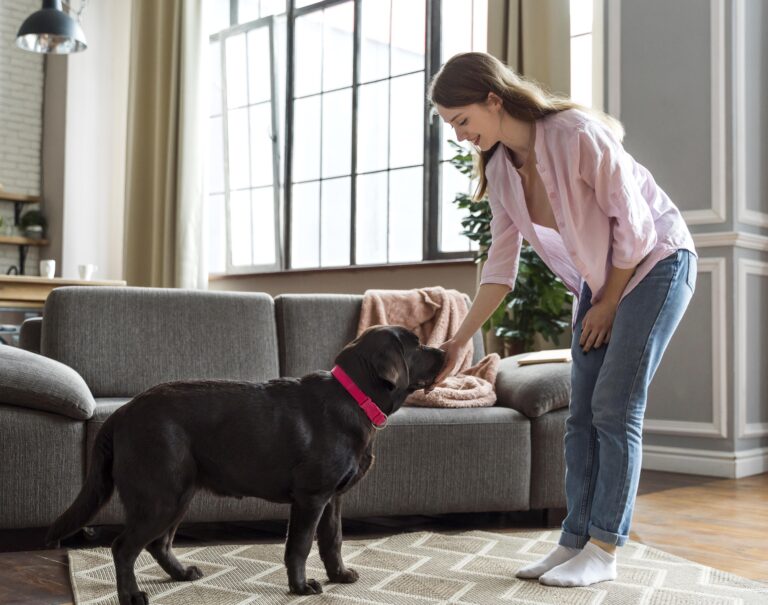
Begin practicing calm greetings well before your first holiday gathering. Use everyday situations like family members coming home or deliveries at the door. Ask your dog to sit or go to their designated place before opening the door. Reward calm behavior with treats or praise. Practicing in low stress situations prepares your dog for busier environments.
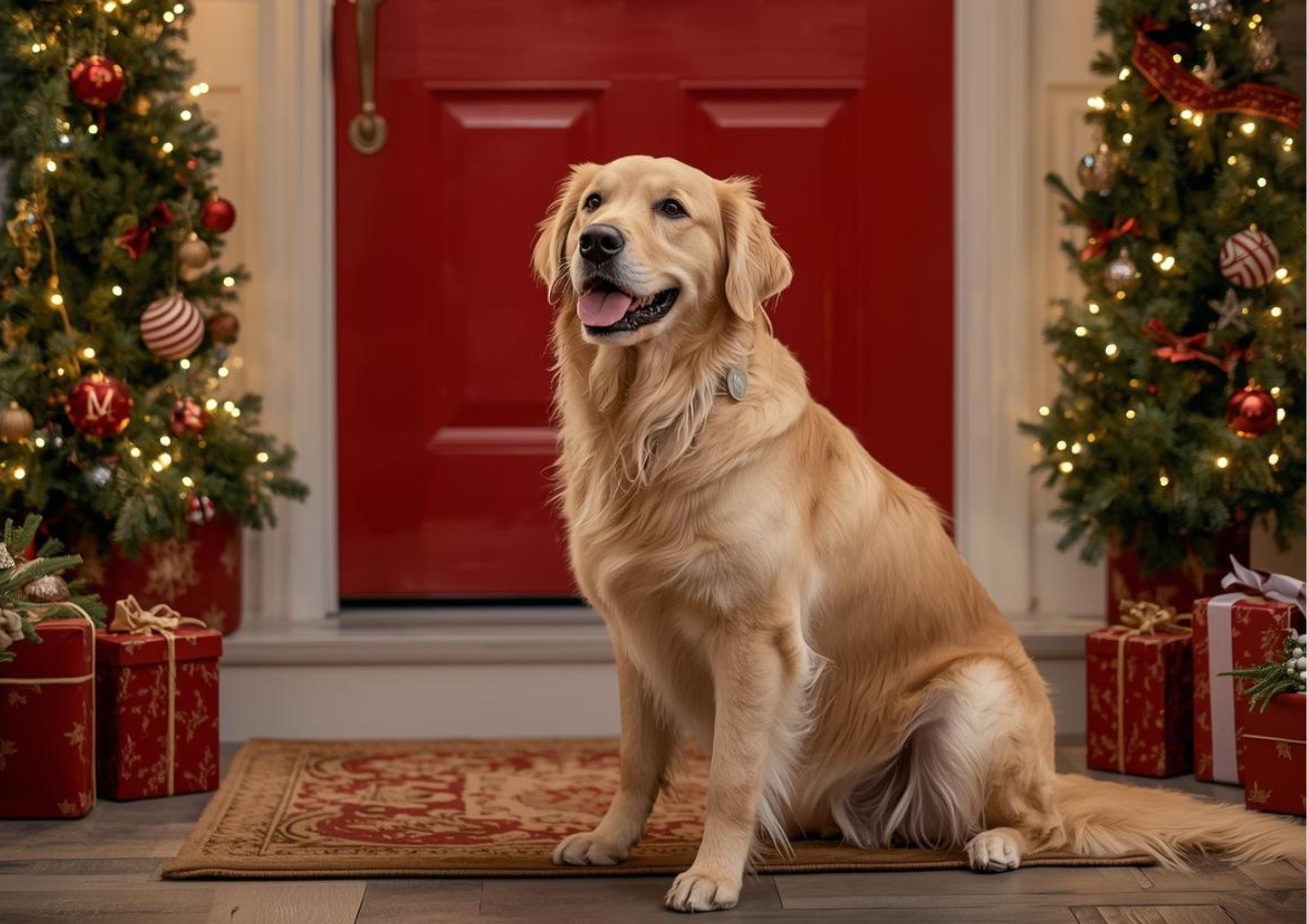
A place command gives your dog a clear job when guests arrive. This could be a dog bed, mat, or specific spot in the house. Practice sending your dog to this spot and rewarding them for staying calm. Over time, your dog will learn that going to their place is the expected behavior when the door opens.
Even with training, excitement can be high during holiday parties. Use management tools like leashes, baby gates, or crates to prevent your dog from rushing the door. These tools help keep everyone safe while reinforcing calm behavior. Management is not a failure; it supports training and builds good habits.
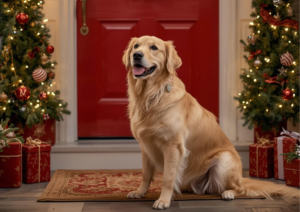
Dogs repeat behaviors that get attention. If jumping or barking leads to excitement, your dog will continue doing it. Instead, ignore unwanted behavior and reward calm actions like sitting or staying relaxed. Consistent reinforcement helps your dog understand that calm behavior leads to positive outcomes.
Holiday parties often last longer than regular visits. Provide your dog with mental and physical exercise earlier in the day, such as walks, playtime, or short training sessions. A tired dog is more likely to remain calm and relaxed during gatherings.
Not all dogs want to socialize for long periods. Set up a quiet space where your dog can retreat if they feel overwhelmed. Include familiar items like their bed, toys, and blankets. This allows your dog to decompress and reduces stress during busy events.
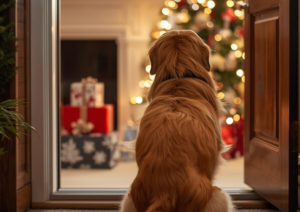
Let guests know how to greet your dog calmly. Ask them to avoid exciting voices, quick movements, or encouraging jumping. Calm, respectful interactions support your training and help your dog succeed.
Teaching calm greetings takes time and repetition. Stay patient and consistent, and remember that progress happens gradually. Celebrate small improvements and keep training sessions short and positive.
Final Thoughts
Teaching calm greetings before holiday parties begin helps create a safer, calmer, and more enjoyable experience for everyone. With early practice, clear expectations, and positive reinforcement, your dog can learn to welcome guests politely and confidently. Preparing now sets your dog up for success throughout the entire holiday season and beyond.
"*" indicates required fields