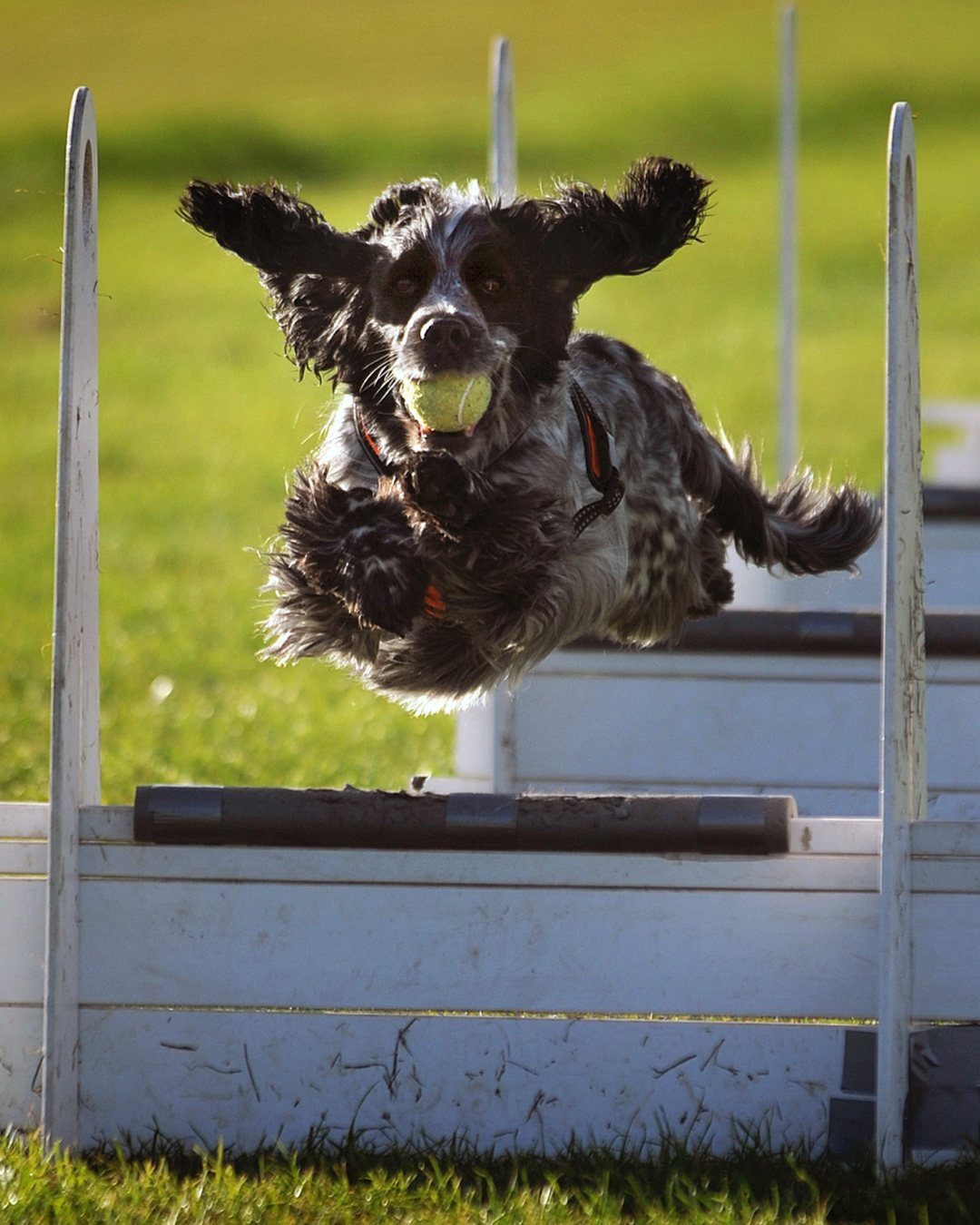
FLYBALL FOR DOGS – FAST AND RUN
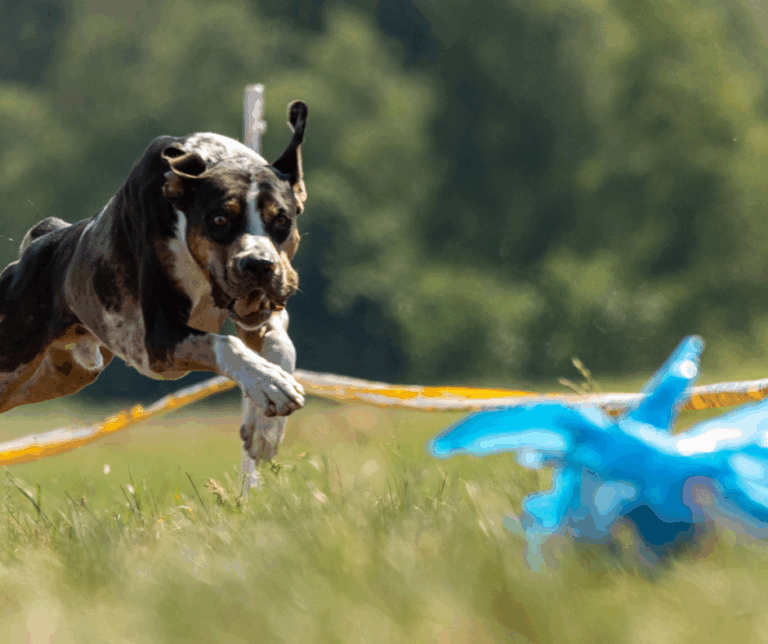
Flyball is an exciting canine sport that showcases a dog’s speed, agility, and teamwork. Dogs race through a course of four hurdles spaced 10 feet apart, trigger a spring-loaded box to release a tennis ball, grab it, and sprint back over the hurdles to their handlers. The next dog can only start once the previous one crosses the finish line, making timing and coordination essential.
Originating in the late 1960s, Flyball has evolved into a dynamic, competitive sport. The fastest teams complete the course in under 15 seconds—a thrilling display of speed and precision that captivates spectators and participants alike.
The Flyball Course and Rules
Each team consists of four dogs running a relay. Hurdle height is set according to the smallest dog on the team to ensure safety. If a dog misses a hurdle or fails to trigger the box correctly, the team incurs a penalty. Competitions are judged on both accuracy and speed, with teams competing in timed heats.
Training for Flyball
Start with basic obedience so your dog reliably follows commands. Introduce the hurdles one at a time, using treats or toys to guide them. Once confident, add the flyball box and teach your dog to trigger it to release the ball. Keep sessions short and upbeat, using praise and rewards to maintain motivation.
Socializing your dog with other dogs and people helps reduce distractions during events. Joining a local Flyball club provides support, advice, and opportunities to watch experienced teams in action.
Benefits of Flyball
Flyball provides a full-body workout, improving cardiovascular health, stamina, and muscle strength. Mentally, it sharpens problem-solving skills and prevents boredom-related behaviors. The sport also fosters socialization and strengthens the bond between dogs and their handlers through regular training and teamwork.
Equipment and Setup
Essential equipment includes adjustable hurdles, a reliable flyball box, and tennis balls. Practice on a flat, grassy area free of hazards, and check equipment regularly to ensure safety. Handlers often use treats, toys, or clickers for positive reinforcement during training.
Choosing a Dog for Flyball
Breeds known for speed and agility—such as Border Collies, Whippets, and Jack Russell Terriers—excel at Flyball, but mixed breeds and rescue dogs can also thrive. More important than breed are a dog’s health, stamina, and enthusiasm for play. Consult a veterinarian to confirm your dog is physically ready.
Flyball Events and Community
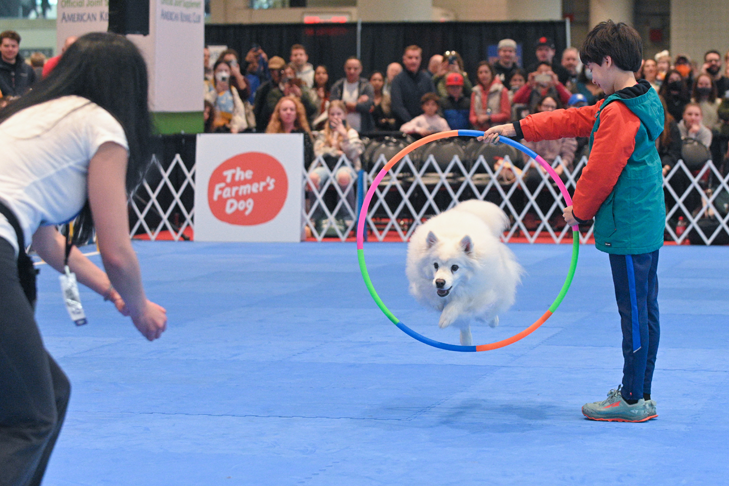
Local clubs and national tournaments continue to grow in number, drawing enthusiastic participants and spectators. Major events often appear at pet expos and festivals, and technology allows fans to share videos and connect with other enthusiasts worldwide. This strong community celebrates teamwork, skill, and the joy of the sport.
Frequently Asked Questions
1. How long does training take?
Typically a few months of regular practice, depending on the dog’s age, breed, and prior training.
2. Are there age restrictions?
Most organizations recommend dogs be at least one year old to ensure bones and joints are fully developed.
3. What safety steps are important?
Use a flat, hazard-free area, warm up your dog before training, and monitor for fatigue or discomfort.
Conclusion
Flyball is a fast-paced, team-oriented sport that builds fitness, mental sharpness, and a stronger bond between dogs and their handlers. Whether you have a speedy Border Collie or an eager rescue, with patience and positive training your dog can enjoy the excitement and rewards of this thrilling activity.
"*" indicates required fields