
Is Your Dog Easy to Train? Dog Breed Matters More Than You Think
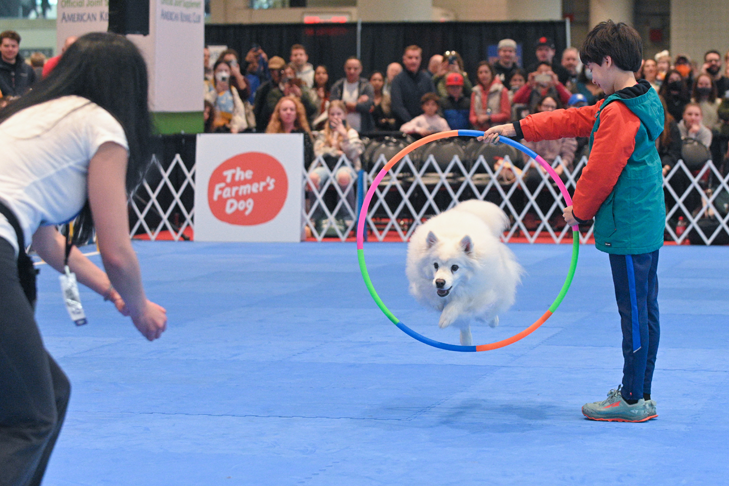
Canine intelligence isn’t a one-size-fits-all trait. When you consider that Border Collies are vastly easier to train than Afghan Hounds, it becomes clear that the breed of a dog plays a pivotal role in determining trainability. Intriguingly, the American Kennel Club ranks Border Collies as one of the top breeds for obedience, showcasing a direct link between breed and ease of training.
Throughout history, dog breeds have been selectively bred for specific purposes, impacting their trainability. Herding breeds like the Australian Shepherd were developed to respond quickly to commands, making them highly trainable. According to a study by Stanley Coren, nearly 51% of a dog’s ability to obey commands relates directly to its genetic lineage, underscoring the crucial role breed plays in training success.

Training techniques should be tailored to each breed’s characteristics. Positive reinforcement works well for most dogs. However, some breeds might need a firmer hand. Patience and consistency are key. Adapting your methods can greatly improve training outcomes.
It’s beneficial to research your dog’s breed before beginning training. This can provide insights into what techniques might work best. Joining dog training classes can also be helpful. Experienced trainers can offer breed-specific advice. This can make training a more enjoyable experience for both you and your dog.
The Role of Genetics in Dog Trainability
Genetics significantly influence a dog’s ability to learn and follow commands. Certain breeds are naturally more inclined to training due to their genetic makeup. For instance, Border Collies and Poodles have been bred for intelligence and obedience, making them exceptional learners. Other breeds may not have the same genetic predisposition.
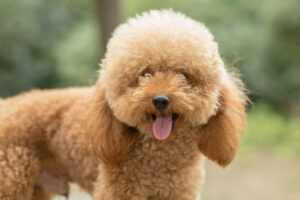
Dogs bred for specific tasks often have traits that make them easier to train. Herding breeds like shepherds and collies are designed to respond quickly to commands. In contrast, breeds like bulldogs have a stubborn streak. Understanding these genetic traits is important for effective training.
Even within breeds, individual dogs can vary due to their unique genetic makeup. It’s essential to remember that not all dogs of the same breed will behave identically. Tailoring training methods to your dog’s individual traits can yield better results.
Top Breeds Known for Their Trainability
Some dog breeds stand out for their exceptional trainability. These breeds are often favorites in obedience competitions:
-
Border Collies – Highly intelligent, quick learners, and eager to please.
-
Poodles – Versatile, intelligent, and responsive to training.
-
German Shepherds – Disciplined and excel in police/military work.
-
Golden Retrievers – Friendly, eager to learn, and great with families.
Challenges in Training Less Trainable Breeds
Training less trainable breeds can be a challenge. Breeds like Afghan Hounds and Bulldogs often display a stubborn nature, requiring extra patience and consistency. Beagles, while friendly, are easily distracted by scents, which can make sessions longer and more difficult.
Long sessions can be counterproductive. These dogs often become bored or tired quickly, so keeping training sessions short and fun is key. Interactive play, like fetch or tug-of-war, can also help reinforce commands and make learning enjoyable.
Motivational tools like treats and praise are crucial but should be used wisely to avoid dependency or weight gain.
FAQ: Understanding Dog Trainability
1. What are the most trainable breeds?
Border Collies, Poodles, German Shepherds, and Golden Retrievers are among the most trainable due to their intelligence and eagerness to please.
2. Why are some breeds harder to train?
Some breeds, like Afghan Hounds and Bulldogs, are more independent or stubborn. This makes them less responsive to commands and requires more patience and engaging techniques.
3. How does a dog’s background affect training?
Early socialization and experiences shape a dog’s learning ability. Dogs with positive exposure to people and commands early on are often easier to train.
4. Can older dogs be trained effectively?
Yes, older dogs can be trained, though it may take more time and effort. Positive reinforcement and patience are essential.
5. What works best for less trainable breeds?
Short, engaging sessions with high-value rewards work best. Consistency, patience, and incorporating play help keep these dogs motivated.
Conclusion
Understanding the trainability of different dog breeds can greatly improve training outcomes. Breed-specific traits matter, and adjusting your methods accordingly leads to better results. With patience and consistency, even less trainable dogs can thrive. Successful training builds trust and strengthens the bond between you and your dog.
"*" indicates required fields