KEEP YOUR DOG SAFE IN THE SUMMER HEAT
When dog summer heat sets in, it’s easy to underestimate how quickly it can become dangerous for your pet. Heatstroke can occur in as little as 10 minutes if a dog is left in a parked car. Temperatures inside vehicles can rise rapidly, becoming deadly even on mildly warm days. Never leave your dog in a car, and always provide access to a cool, shaded space.
Dog summer safety tips go beyond just keeping your pup comfortable—they can save lives. Always offer fresh water, avoid outdoor activities during the hottest parts of the day, and consider using cooling gear like mats or vests to help manage your dog’s body temperature.

Heatstroke is a serious condition and can escalate quickly. Early symptoms include:
- Excessive panting
- Drooling
- Restlessness
- Weakness or collapse
- Disorientation or unresponsiveness
- Rapid heart rate
- Red or pale gums
If you notice these signs, act fast:
- Move your dog to a shaded or air-conditioned area
- Offer small amounts of cool (not cold) water
- Apply cool water to their body
- Contact your vet if symptoms persist
To keep your dog safe:
- Provide fresh, cool water at all times, especially in shaded areas.
- Avoid the hottest parts of the day—opt for early morning or late evening walks
- Keep walks short and frequent.
- Use protective gear like cooling vests, bandanas, or dog-safe sunscreen (especially for light-colored or thin-coated dogs).
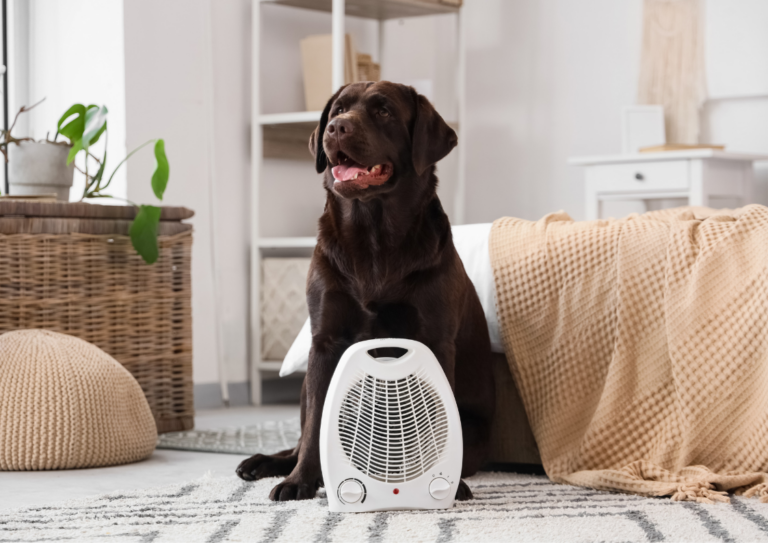
- Create a cool indoor environment with fans or air conditioning, particularly when your dog is left alone.

Choosing the Right Time and Duration for Walks
Hydration and Cooling Products for Summer
- Cooling products include:
- Cooling mats with pressure-activated gels
- Soaked vests or bandanas for outdoor use
- Portable pet fans for air circulation indoors
- Frozen treats made from dog-safe fruits or diluted broth
- How can I keep my dog hydrated in hot weather? Always offer fresh water and carry a bowl on walks. Frozen treats or adding water to food helps, too. If your dog shows signs of dehydration (e.g., dry gums, lethargy), consult your vet immediately.
- Is it safe to walk my dog on hot pavement? No. Use the “five-second rule”: if the pavement’s too hot for your hand, it’s too hot for their paws. Walk during cooler hours or use booties and stick to grass or shaded areas.
- What are signs my dog is overheating? Watch for excessive panting, drooling, weakness, vomiting, and disorientation. Act immediately: move them to a cool place, give small amounts of water, and apply cool towels. Call your vet if symptoms worsen.
- Are there specific cooling products for dogs? Yes—mats, vests, bandanas, and pet fans. These are designed to lower body temperature and make hot weather more bearable. Use a combination for best results.
- Can I use human sunscreen on my dog? No. Use dog-safe sunscreen. Human products may contain toxic ingredients like zinc oxide. Apply to vulnerable areas like the nose, ears, and belly. Reapply as needed, and consult your vet if unsure.
Conclusion
Your awareness and effort ensure your furry companion not only survives but thrives—even during the hottest months.
"*" indicates required fields