How Long Does It Take a Dog to Adjust to a New Climate?
For families who spend part of the year in Florida and return to the Midwest for the summer, adjusting to a new climate can be a big change for everyone, including the family dog.
A dog that has become comfortable with Florida’s warm, humid weather may suddenly be dealing with cooler temperatures, while a dog returning to Florida after spending months in a cooler climate may need time to adjust to the heat and humidity of a new climate.
The important thing to understand is that there is no exact number of days that applies to every dog. How quickly a dog adjusts to a new climate depends on factors such as breed, coat type, age, health, activity level, and how large the temperature change is.
Dogs Don’t Adjust to Temperature Changes Instantly
Dogs can adapt to changes in temperature, but acclimation takes time. A dog that is accustomed to one climate shouldn’t immediately be expected to exercise at the same intensity after arriving somewhere significantly hotter or colder.
This is especially important when traveling between Florida and the Midwest. The change isn’t just about the temperature on the thermometer. Humidity, wind, sun exposure, precipitation, and the type of activity your dog is doing can all affect how comfortable they are.
Rather than focusing on a specific number of days, watch how your individual dog responds and gradually increase their exposure.
Adjusting to Florida’s Heat and Humidity
A dog arriving in Florida from a cooler climate may need extra care during the first several days and potentially longer, particularly if they aren’t accustomed to heat and humidity.
Start with shorter outdoor activities and avoid the hottest part of the day. Give your dog plenty of fresh water and access to shade or air conditioning.
Exercise should be increased gradually rather than jumping immediately into long walks, runs, or strenuous outdoor activities. Gradual acclimation to warmer temperatures is specifically recommended for reducing overheating risk.
Pay attention to excessive or heavy panting, unusual tiredness, weakness, vomiting, lack of coordination, or other signs that your dog is struggling with the heat. Heatstroke can become a serious emergency, so don’t wait for a dog to “get used to it” if they appear unwell.

Returning to a Colder Midwest Climate
The adjustment works in the other direction as well.
A dog that has spent months in Southwest Florida may not be immediately comfortable when exposed to a cold Midwest winter. Some dogs handle cold temperatures very well, particularly breeds with thick double coats, while short-haired, small, young, senior, or otherwise vulnerable dogs may have more difficulty.
Begin with shorter outdoor periods and gradually increase them as your dog becomes comfortable. Keep an eye out for shivering, weakness, lethargy, or other signs that your dog is becoming too cold.
Wet and windy conditions can make cold exposure more difficult, so temperature alone shouldn’t determine how long your dog stays outside.
Your Dog’s Breed Matters
There is a major difference between a Siberian Husky and a short-haired Chihuahua when it comes to cold tolerance. Likewise, some dogs are more vulnerable to heat than others.
Coat type, body size, age, health, and breed all influence how a dog handles temperature changes. Brachycephalic breeds, for example, can have additional difficulty coping with heat because of their breathing structure.
This is why there isn’t a universal acclimation timeline. Two dogs traveling to the same location may adjust very differently.
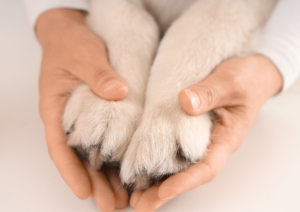
Don’t Forget About Your Dog’s Paws
Temperature changes can also affect your dog’s feet.
After spending months walking on cooler surfaces, suddenly increasing activity on hot pavement or other heated surfaces can cause paw problems. Dogs’ paw pads need time to become accustomed to increased heat and physical stress, particularly at the beginning of a warm season.
In cold climates, ice, snow, salt, and other winter conditions can create a different set of concerns. Check your dog’s paws after outdoor activities and clean them when necessary.
Training Should Adjust With the Weather
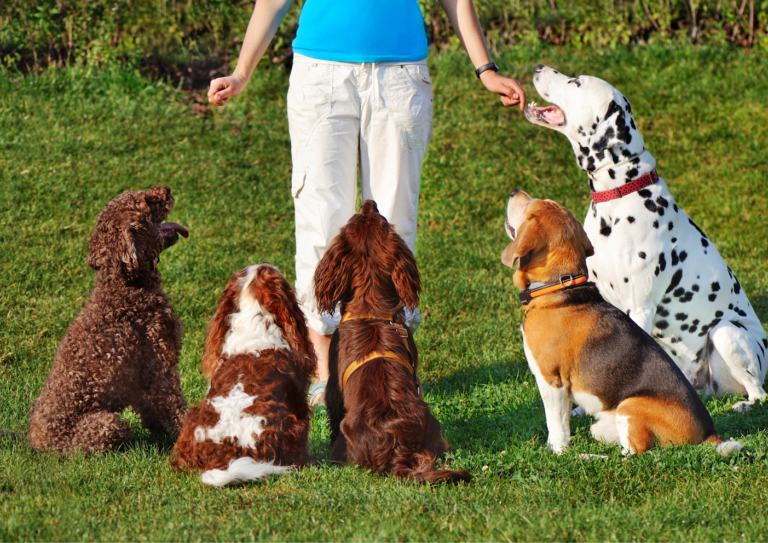
Weather changes can affect more than your dog’s physical comfort. They can also change how well your dog performs during training.
A dog that normally has plenty of energy may become less interested in training when the weather is hot. During colder weather, they may be more eager to move but less comfortable standing around outside.
Instead of abandoning training, adjust the session to the conditions.
On hot Florida days, shorter sessions in a cool environment can be more appropriate. In cold weather, you may need shorter outdoor sessions combined with indoor training.
The goal is to maintain consistency without asking your dog to work beyond what the conditions allow.
Give Your Dog Time to Settle Into the New Routine
Moving between climates often means changing more than the weather.
Walk times may change. Exercise may happen indoors instead of outdoors. Your dog’s daily schedule may look completely different.
Keeping some familiar routines can make the transition easier. Continue using the same commands, feeding schedule, training expectations, and household rules whenever possible.
Your dog doesn’t need everything to stay exactly the same, but having familiar parts of their routine can provide consistency while they adjust to their new surroundings.
So, How Long Does Acclimation Take?
There isn’t a reliable “three-day” or “one-week” rule for every dog.
Some dogs may appear comfortable fairly quickly, while others need more time to adjust, especially when the difference between climates is significant. Acclimation should be gradual, and the dog’s behavior and physical condition should guide how quickly you increase activity.
The safest approach is to start conservatively, monitor your dog, and gradually increase exposure and exercise as they become comfortable.
Final Thoughts
Traveling between Florida and the Midwest doesn’t mean your dog can’t enjoy both climates. It simply means their routine may need to change with the weather.
Give your dog time to adjust, pay attention to their individual needs, and don’t assume that a dog who handled one climate well will immediately handle another the same way.
With gradual exposure, appropriate exercise, good hydration, and attention to weather conditions, seasonal travel can be much easier and safer for your dog.
Website Contact Form
"*" indicates required fields