BARN HUNT FOR DOGS – SNIFF OUT THE FUN!
Have you ever considered how dogs’ natural hunting instincts can be turned into an engaging sport? Welcome to Barn Hunt, an activity where dogs harness their extraordinary sense of smell to detect hidden rats in a barn-like setting. This thrilling and interactive sport is capturing the hearts of canine enthusiasts around the world.
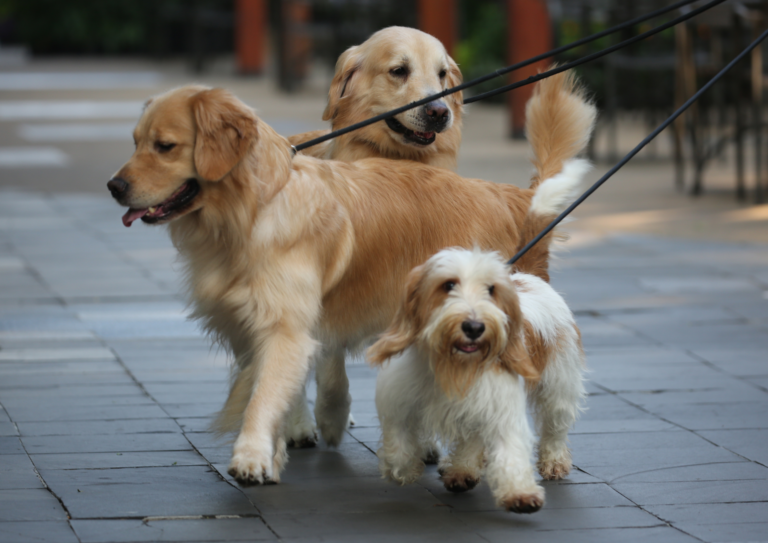
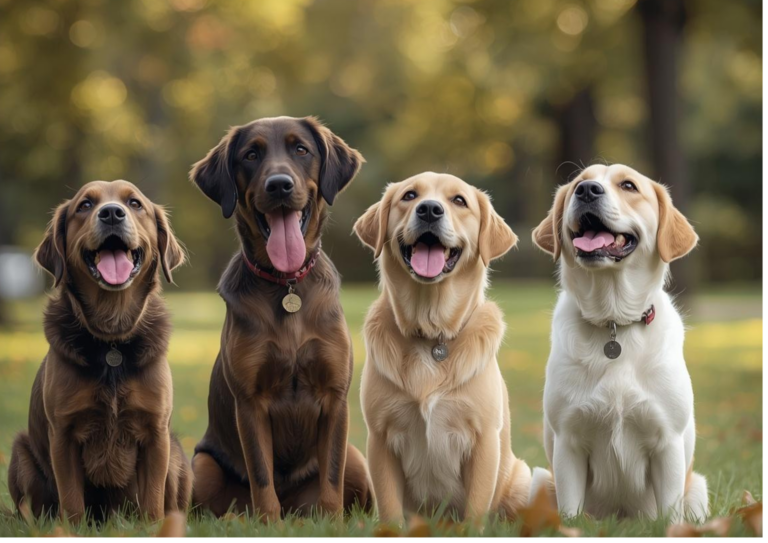
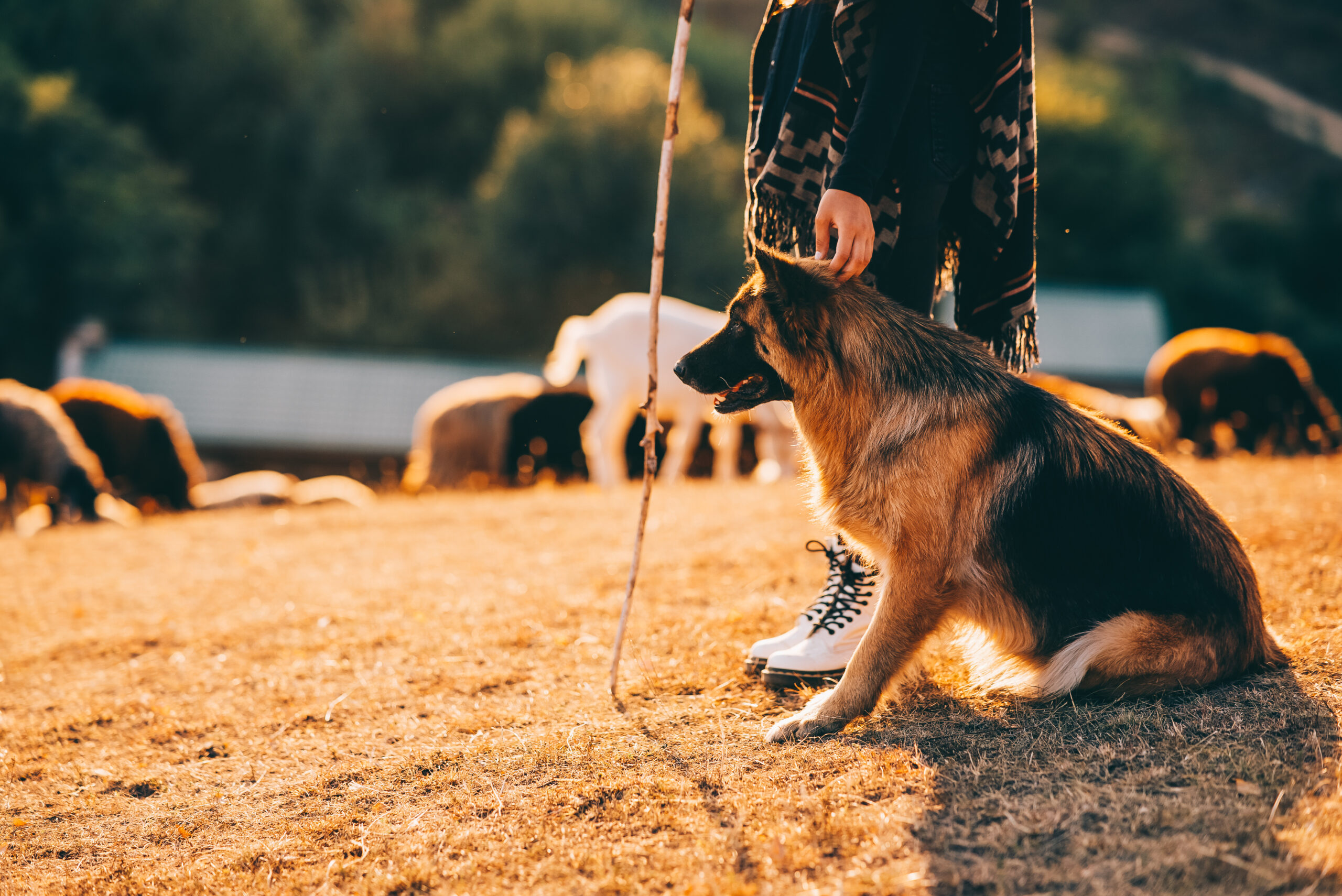
Barn Hunt originated from working barn dogs who helped farmers keep their properties rodent-free. With its formal beginning in 2013, the sport has grown exponentially, featuring events across the globe. It’s fascinating to note that the sport is inclusive, welcoming dogs of all breeds and sizes to sniff out the fun.
Barn Hunt offers a unique way for dogs to display their natural hunting abilities while having fun. Events are timed, challenging dogs to locate rats as quickly as possible. The rats are safely enclosed in tubes, ensuring they are not harmed. Various levels of difficulty keep the competition engaging for both novices and seasoned participants.
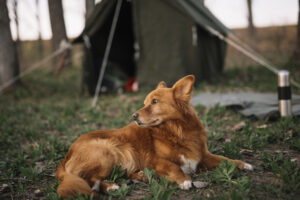
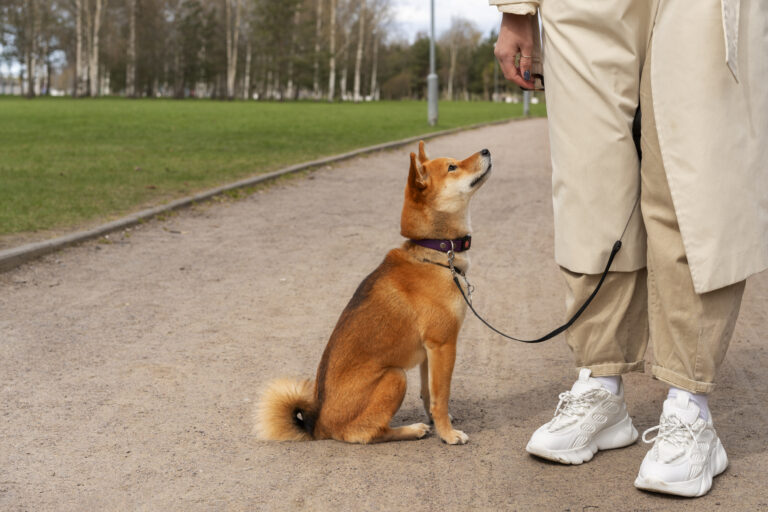
Training for Barn Hunt can be enjoyable and fulfilling. Handlers often use games and positive reinforcement to prepare their dogs, teaching them to distinguish the scent of rats from other distractions. Consistency and patience are key. Many handlers find the training process as rewarding as the competition itself.
Participating in Barn Hunt events provides mental and physical stimulation for dogs, encourages teamwork, and promotes a fun, social atmosphere where handlers can connect with other enthusiasts.
Exploring the Origins and Purpose of Barn Hunt
Barn Hunt has its roots in the old farming tradition of using dogs to control rodent populations in barns. In 2013, it was officially recognized as a sport. The primary purpose is to provide an outlet for dogs to exercise their instincts while fostering a stronger bond with their handlers.
Beyond recreation, Barn Hunt helps preserve working dog skills, ensuring they are passed down through generations. Different levels of difficulty accommodate all skill levels, making it a celebration of canine prowess and teamwork.
The Essential Rules of Barn Hunt Competitions
Each dog-handler team has a set amount of time to find the hidden rats. Rats are placed in secure, well-ventilated tubes for their safety. Levels range from beginner to advanced, with increasing challenges and tighter time limits.
Safety is a priority — dogs must be in good health and non-aggressive. Scoring is based on time, accuracy, and teamwork.

Training Tips for Your Dog to Excel in Barn Hunts
Start with basic obedience commands like sit, stay, and come. Gradually introduce your dog to rat scent in secure tubes, increasing difficulty over time. Simulate competition environments with straw bales and hiding spots.
Work on your dog’s endurance with long walks, runs, and agility exercises. Always train with positive reinforcement, and socialize your dog to prepare for the busy event environment.
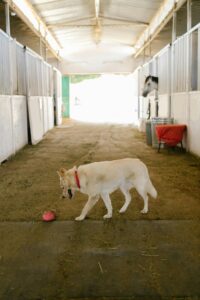
The Benefits of Participating in Barn Hunt Events
Barn Hunt engages dogs’ minds, prevents boredom, and improves problem-solving skills. Physically, it builds agility and endurance. The sport strengthens the bond between dog and handler while offering socialization opportunities and a sense of achievement for both.
Top Barn Hunt Events to Consider
NBHA Championship – Brings together top dogs and offers workshops for newcomers.
Barn Hunt Classic Series – Held annually in multiple locations with competitions for all levels.
Regional Barn Hunt Trials – Local events perfect for practice and meeting other enthusiasts.
Fun Matches – Informal events for training and socializing without scoring pressure.
Specialty Events – Holiday-themed, charity, or exhibition hunts to keep things exciting.
Frequently Asked Questions
1. What breeds can participate in Barn Hunt? All breeds are welcome, each bringing unique skills to the sport.
2. How are the rats kept safe? Rats are in secure, ventilated tubes, handled gently, and used for limited periods to avoid stress.
3. How can I start training my dog? Begin with obedience training, introduce rat scent gradually, and practice in simulated environments.
4. Are there different levels? Yes — from beginner with simple courses to advanced with complex mazes and tighter time limits.
5. What are the benefits? Mental stimulation, physical exercise, stronger bonds, and a supportive community.
Conclusion
Barn Hunt is an inclusive sport that promotes physical activity, mental stimulation, and a deeper connection between handlers and dogs. It blends tradition, competition, and camaraderie, making it a unique and rewarding activity.
"*" indicates required fields