Striking the right balance between drive, obedience, and confidence in canines has been a pivotal achievement in the field of working dogs. IGP, originally developed in Germany, is now regarded worldwide as a top discipline for fostering these essential traits. This sport requires not just physical prowess but also mental acuity, making it a rigorous test of a dog’s abilities.
IGP’s history traces back to the early 20th century and has evolved to meet modern canine work requirements. The emphasis on drive ensures dogs remain motivated and enthusiastic during tasks, while structured obedience builds a strong foundation for discipline. Confidence, cultivated through carefully designed exercises, empowers dogs to handle various challenges with composure and reliability.
The Fundamentals of IGP
IGP, also known as Internationale Gebrauchshund Prüfungsordnung, is a sport that focuses on training working dogs. It is designed to test a dog’s abilities in tracking, obedience, and protection work. Its roots can be traced back to early 20th-century German practices.
Dogs trained in IGP showcase physical strength, high intelligence, and great control. The structured environment prepares them for various scenarios they might encounter in real-life work situations.
IGP involves three main phases: tracking, obedience, and protection. Each phase focuses on different skills and requires the dog to perform specific tasks. The aim is to ensure the dog responds well to their handler’s commands while maintaining high performance levels.
Handlers spend considerable time building rapport with their dogs in order to succeed. The bond they form is critical for effective communication and trust, especially during intense protection exercises where the dog’s stability matters most.
Overview of IGP and Its Importance in Canine Training
IGP originated from military and police dog training techniques and has evolved into a globally recognized discipline. Competitions are held worldwide, drawing participants from various countries.
Tracking requires exceptional concentration and a keen sense of smell as dogs follow a scent trail laid by a person. This demonstrates their ability to work methodically and stay focused over long distances.
Obedience emphasizes precision and responsiveness, with dogs performing commands such as sit, stay, and heel in a controlled manner. This reflects training rigor and strengthens the bond between dog and handler.
Protection work showcases courage and control, requiring dogs to respond to threats without becoming overly aggressive. This demonstrates discipline and reliability under pressure.
Building Drive in Dogs for IGP
Drive refers to a dog’s instinctual motivation to perform tasks. In IGP, building this drive is crucial for performance. Trainers channel natural desires, like hunting or chasing, into structured activities, making the dog enthusiastic and focused.
Positive reinforcement—treats, praise, or toys—encourages repetition of desired behaviors. Consistent and timely rewards strengthen the association between task and reward.
Variety in training routines prevents boredom and keeps the dog engaged. Rotating activities helps develop a well-rounded skill set.
The handler’s energy and enthusiasm influence the dog’s motivation. Strong, positive connections make training more effective and enjoyable.
Developing Obedience for IGP Success
Obedience ensures dogs respond consistently to commands, stressing precision, control, and teamwork. Regular, structured sessions with clear commands reinforce expected behaviors.
Positive reinforcement encourages correct responses, with rewards given immediately after the desired action.
Training begins with foundational commands like sit, stay, and heel, then progresses to advanced exercises. Each new skill builds on the previous ones.
The handler’s patience and clarity foster trust and respect, aiding communication. Adjusting training plans based on progress ensures continued improvement.
Enhancing a Dog’s Confidence Through IGP
Confident dogs face challenges with courage and perform tasks with precision. Confidence is built through gradual exposure to varied exercises, allowing success in different scenarios.
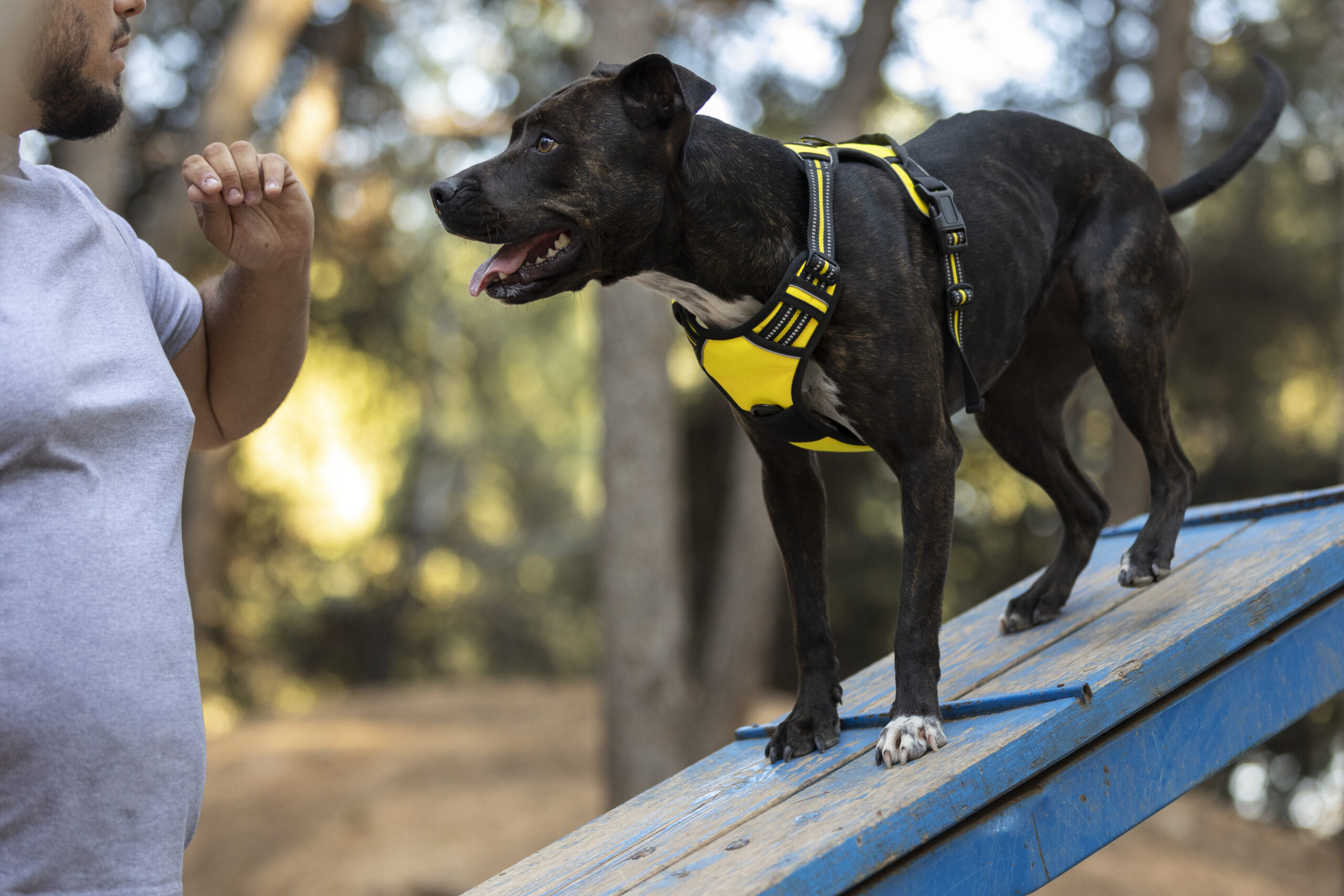
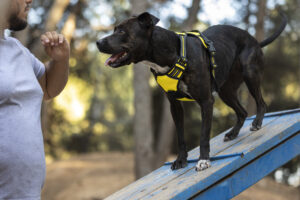
Agility courses, obstacle navigation, and problem-solving tasks reinforce self-assurance. Positive reinforcement during these activities boosts effectiveness.
Socialization in controlled settings reduces anxiety and builds adaptability.
Handler support—encouraging words, calm demeanor, and celebrating small victories—reinforces trust.
Staged scenarios prepare dogs for unexpected events, ensuring composure in real-life situations. Training tools like tunnels, seesaws, and balance beams add both challenge and skill development.
Frequently Asked Questions
1. What is the purpose of IGP training?
IGP tests and improves a dog’s working abilities in tracking, obedience, and protection. It develops a well-rounded, reliable working dog capable of handling real-life challenges.
2. How does tracking enhance a dog’s abilities in IGP?
Tracking strengthens scent detection, focus, and patience. Following a person-laid trail hones methodical working skills valuable in both sport and practical work.
3. Why is obedience training important for IGP success?
Obedience ensures precise and reliable performance, forming the foundation for advanced tasks like protection work. It reinforces trust and cooperation between handler and dog.
4. How can a handler build a dog’s confidence in IGP?
Gradual exposure, positive reinforcement, socialization, and varied exercises help dogs approach challenges with assurance.
5. What are some common challenges in IGP training?
Maintaining motivation, managing distractions, and balancing protection intensity with obedience are frequent challenges. Tailored, adaptive training helps overcome these.
Conclusion
IGP is an invaluable framework for developing a dog’s drive, obedience, and confidence. It enhances natural abilities while strengthening the handler-dog bond. This combination results in well-rounded, reliable working dogs capable of exceptional performance in both sport and real-life scenarios.
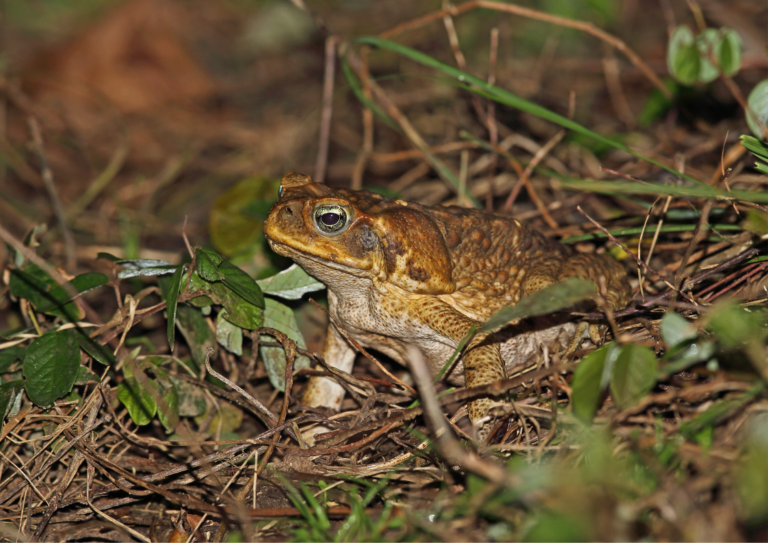
For dog owners in Southwest Florida, outdoor time comes with plenty of things to watch for. One of them is the cane toad, a large invasive species that can be dangerous to dogs if they bite or mouth one. Cane toad identification is important for dog owners, especially because cane toads can be mistaken for…
Discover 3 simple dog commands you can try at home to effectively train your furry friend. These basic commands are essential for building a strong foundation in canine training and enhancing your pet’s obedience. In the bustling world of canine training, it is fascinating to note that nearly 75% of dog owners overlook the basics of training their…
Dogs thrive on routine, and it has a significant impact on your dog’s behavior. While they may not be able to tell time the way people do, they quickly learn patterns. They know when it’s time to eat, when you usually grab the leash, and even when you’re getting ready to leave the house. Because…
For families who spend part of the year in Florida and return to the Midwest for the summer, adjusting to a new climate can be a big change for everyone, including the family dog. A dog that has become comfortable with Florida’s warm, humid weather may suddenly be dealing with cooler temperatures, while a dog…
Training an older dog might seem like attempting to teach new tricks to an old friend. Surprisingly, dogs have been found to retain the ability to learn throughout their lives, much like humans. Engaging with their keen willingness to please can be a joyous process, overturning the myth that old dogs are set in their…
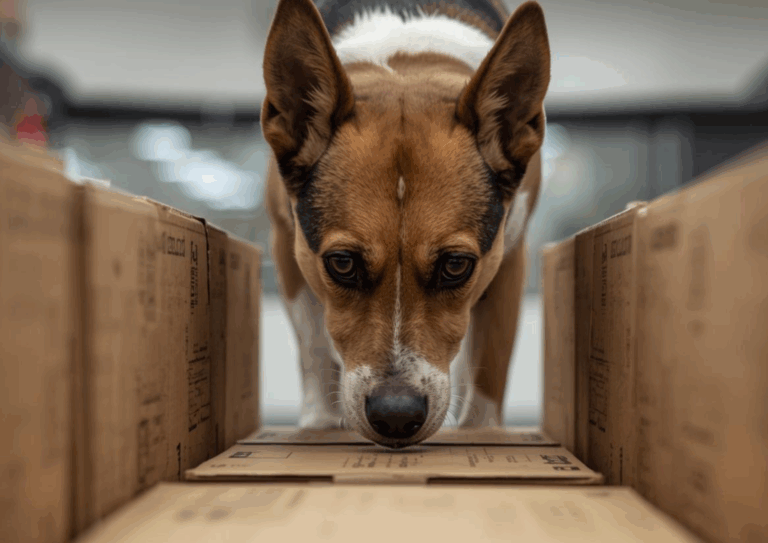
Nose work is a structured activity that focuses on a dog’s natural scenting abilities. It trains a dog to locate a specific odor, indicate its presence, and remain focused even in distracting environments. Unlike other sports, nose work relies entirely on scent detection rather than obedience patterns or reward-based approaches. The goal is to help…