HERDING FOR DOGS – WORK LIKE A PRO
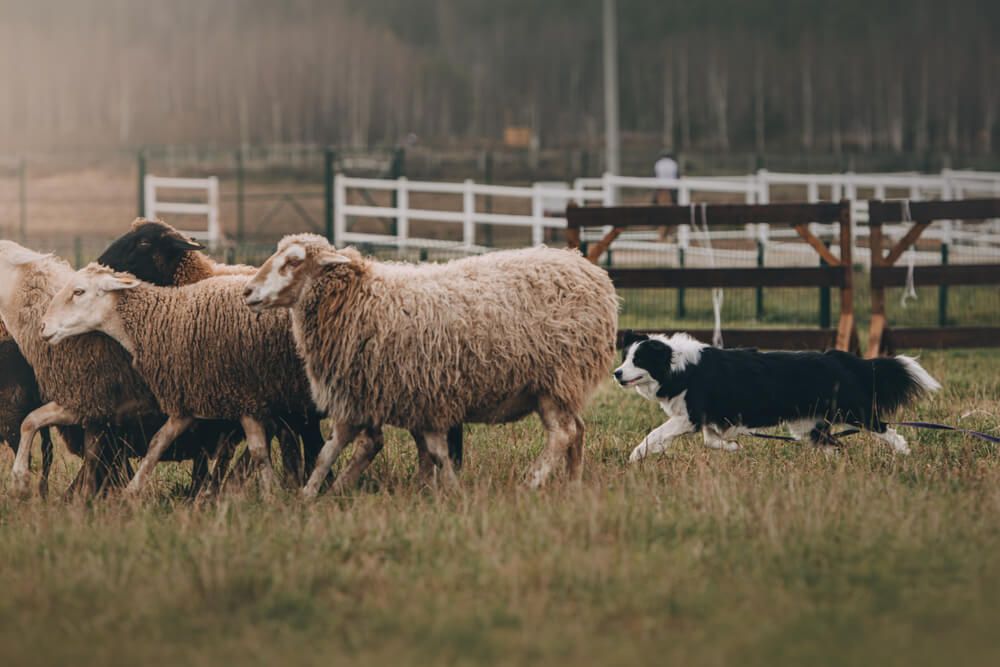
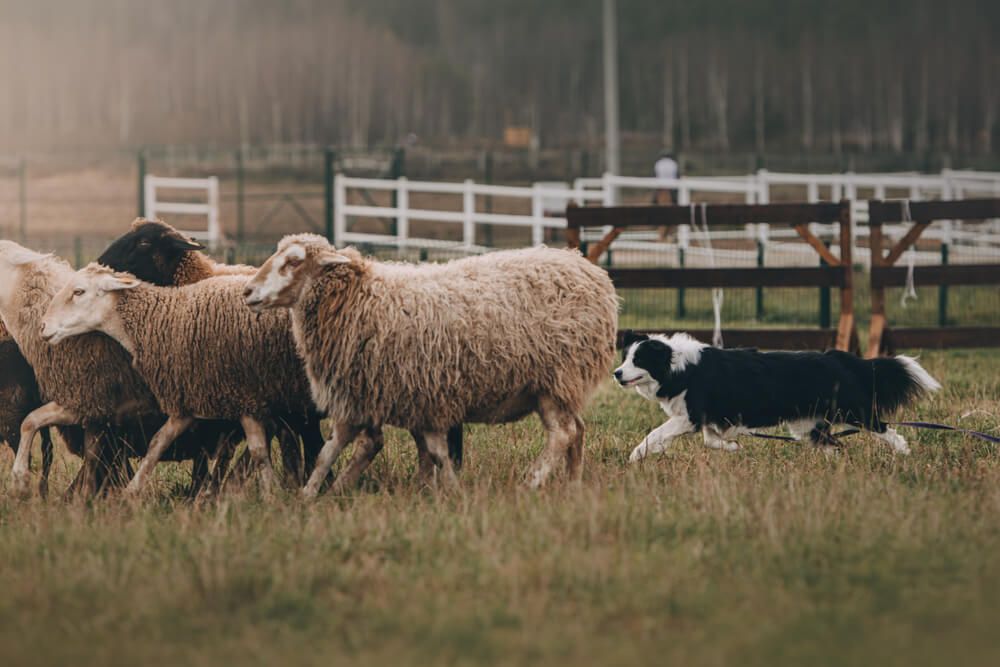
Did you know that herding dogs can manage up to 500 sheep at one time? These incredible animals have been bred for centuries to master the art of herding. Their instincts, combined with training, make them invaluable assets to farmers and ranchers.
Historically, herding dogs originated from breeds such as Border Collies and Australian Shepherds. A well-trained herding dog can reduce labor costs by up to 50% through their natural ability to control and direct livestock efficiently.
Herding requires proper training, developing agility and speed, building endurance, and fostering a strong bond between the dog and the herder. Using specific commands and practicing in various environments ensures the dog is adaptable and effective.
Essential Skills for Professional Herding Dogs
Basic Commands
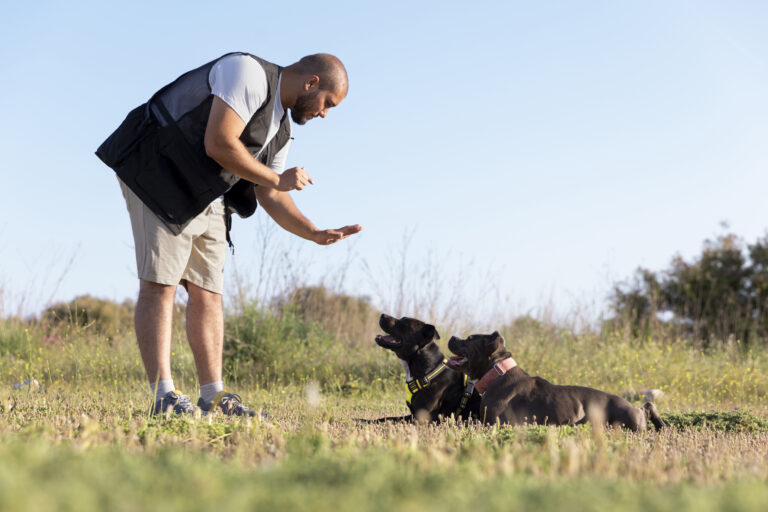
Commands like “come,” “stay,” and “heel” form the foundation of effective herding. A well-trained dog must respond promptly to these signals, and consistent practice reinforces them. Without these basics, advanced herding skills are difficult to achieve.
Many trainers also use hand signals along with verbal cues to improve responsiveness. Practicing in varied environments helps the dog adapt to different scenarios.
Agility and Speed
Herding dogs must navigate various terrains quickly and efficiently. Training often includes jumping over obstacles, weaving through poles, and sprinting exercises to build muscle and improve coordination. Practicing on grass, sand, and rocky surfaces prepares them for any terrain.
Regular evaluation of progress allows trainers to fine-tune routines and maintain high performance.
Stamina and Endurance
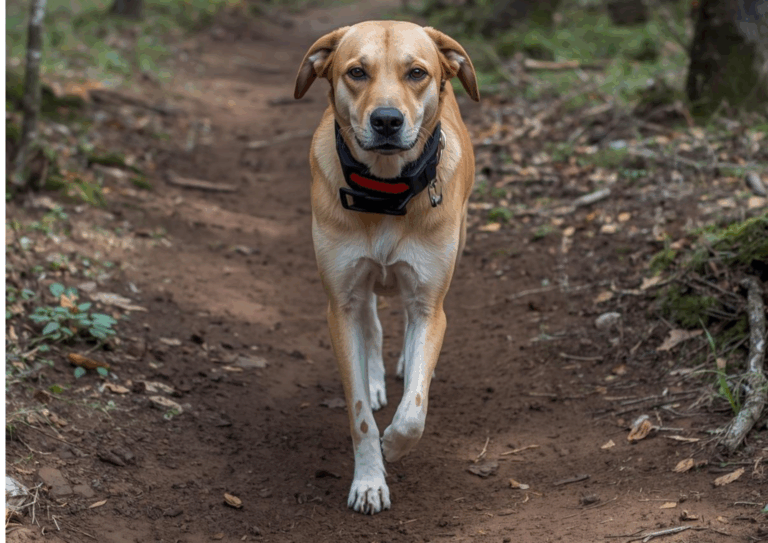
Herding often requires long hours of movement. To build endurance, dogs benefit from long-distance running, hiking, and swimming, which also provide low-impact conditioning. Training on different surfaces—grass, gravel, hills—builds strength and prepares them for diverse landscapes.
A balanced diet supports muscle development and energy levels, and hydration is critical during intense training. Endurance work should increase gradually to prevent overexertion.
Working Under Various Conditions
Herding dogs must adapt to changing climates, terrains, and livestock behaviors. Training in rain, snow, and heat ensures they’re prepared for any weather. Exposure to rocky ground, grassy fields, and muddy paths improves stability and movement.
They also need experience with different livestock, such as sheep, cattle, or goats, since each species responds differently to herding techniques. Consistent evaluation helps identify areas for improvement and ensures the dog remains healthy and fit.
Building a Bond with the Herder
Trust and cooperation between the dog and herder are essential. Spending quality time together and maintaining consistent training routines strengthen this bond.
Regular play sessions and exercise deepen the connection and keep the dog happy and motivated. Clear communication and understanding each other’s cues minimize misunderstandings and enhance teamwork.
Choosing the Right Dog Breed for Herding
Certain breeds possess natural herding instincts:
Border Collie – Intelligent and agile; excels with both small and large livestock.
Australian Shepherd – Versatile and hardworking; quick to learn and adaptable.
Belgian Malinois – Strong and resilient; ideal for demanding tasks and larger animals.
Shetland Sheepdog (Sheltie) – Energetic and responsive; effective with smaller livestock.
Selecting a breed depends on the specific needs of the farm. Training tailored to the breed’s strengths ensures optimal performance.
Training Techniques for Herding Dogs
Start with basic obedience commands before introducing herding-specific cues like “come by” and “away to me,” which direct the dog clockwise or counterclockwise around livestock. Combine verbal commands with hand signals for clarity.
Practice in varied environments—fields, hills, and rocky areas—to build adaptability. Training with real livestock provides practical experience, beginning with smaller groups and gradually increasing numbers.
Regular evaluations help adjust training methods to improve performance and maintain steady progress.
Common Challenges in Dog Herding
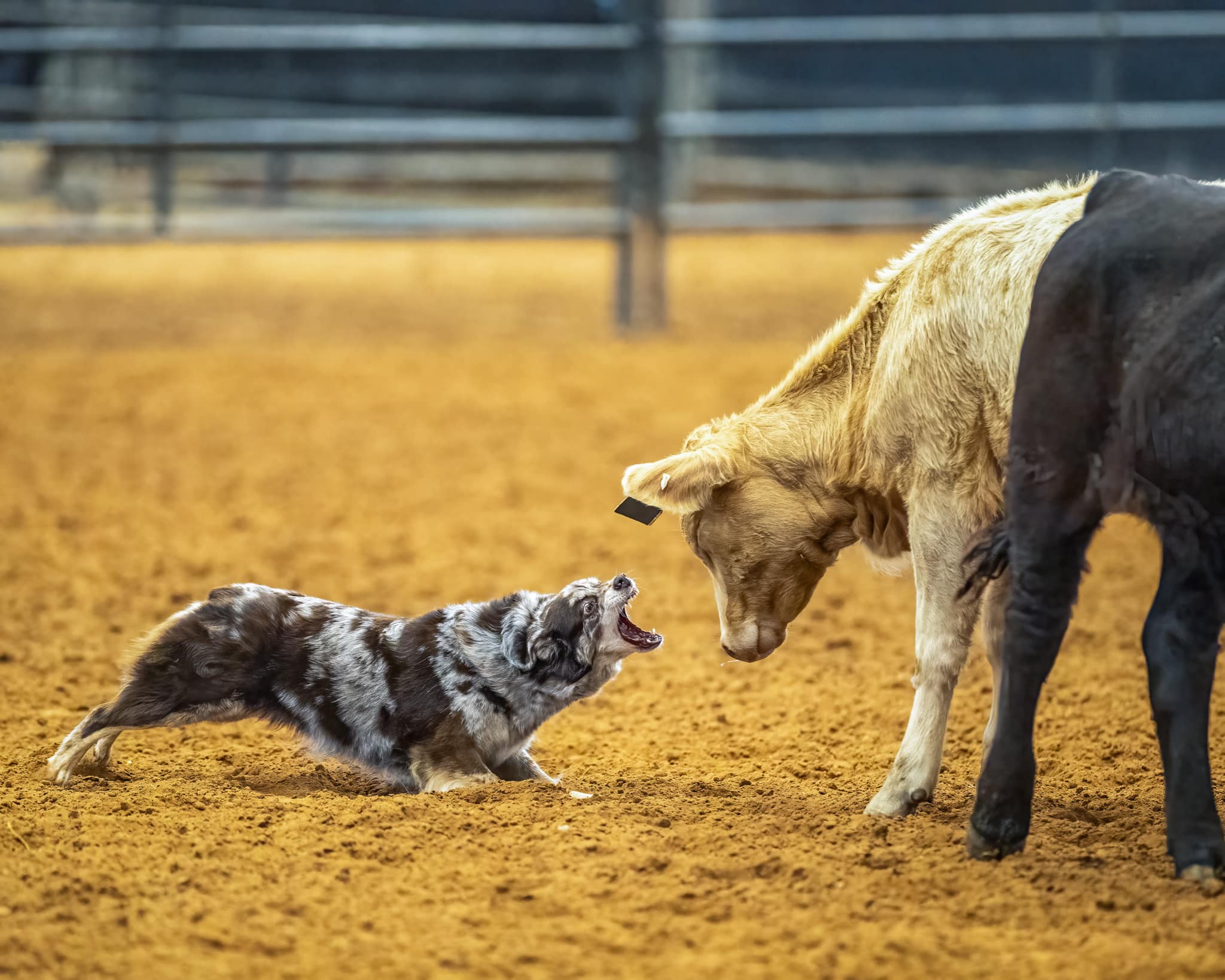
Livestock behavior – Some animals may become defensive or uncooperative; calming techniques help.
Maintaining focus – Distractions can cause dogs to lose concentration; consistent training keeps attention sharp.
Weather conditions – Dogs must work in heat, rain, or snow; gradual exposure builds resilience.
Injury prevention – Rough terrain can cause injuries; regular vet check-ups and careful monitoring are essential.
Communication – Misunderstandings between dog and herder can hinder efficiency; clear commands and a strong bond reduce errors.
The Impact of Herding Dogs on Modern Farming
Herding dogs significantly increase efficiency, managing large groups of livestock more quickly than humans and reducing the need for additional labor. Their presence also protects animals from predators and alerts farmers to potential issues.
By controlling livestock calmly, herding dogs reduce stress among animals, which supports better health and higher yields of meat, milk, or wool. Their skills also promote sustainable farming by preventing overgrazing and helping maintain healthy pastures.
Economically, herding dogs lower operational costs and contribute to higher profits, making them indispensable partners in modern agriculture.
Frequently Asked Questions
What are the best herding dog breeds?
Border Collies, Australian Shepherds, Belgian Malinois, and Shetland Sheepdogs are among the most popular. Each has unique strengths—intelligence, agility, strength, or energy—suited to different herding tasks. Choosing the right breed depends on the type of livestock and farm conditions.
How do you start training a herding dog?
Begin with basic obedience—”sit,” “stay,” “come.” After mastering these, introduce herding-specific commands like “come by” and “away to me.” Practice in various settings and with real livestock to build adaptability and confidence.
"*" indicates required fields