TRICK DOG: SHOW OFF SKILLS
It’s fascinating to consider that dogs performing tricks have been a source of entertainment for centuries. One can’t help but marvel at the precision and flair some of these dogs display, showcasing not just their physical agility but also their remarkable intelligence. These performances highlight the strong bond and communication between the dog and its handler.
The history of trick dogs can be traced back to traveling circuses and fairs. Today, dog agility competitions and talent shows have taken these skills to new heights. With studies indicating that dogs can understand up to 250 words and gestures, it’s no wonder their performances continue to captivate audiences worldwide.
Trick dogs showcase their skills through advanced training techniques, including obedience, agility, and choreographed routines. Trick dog exhibitions are both an art form and a testament to meticulous training and teamwork.

Essential Skills for a Trick Dog Performer
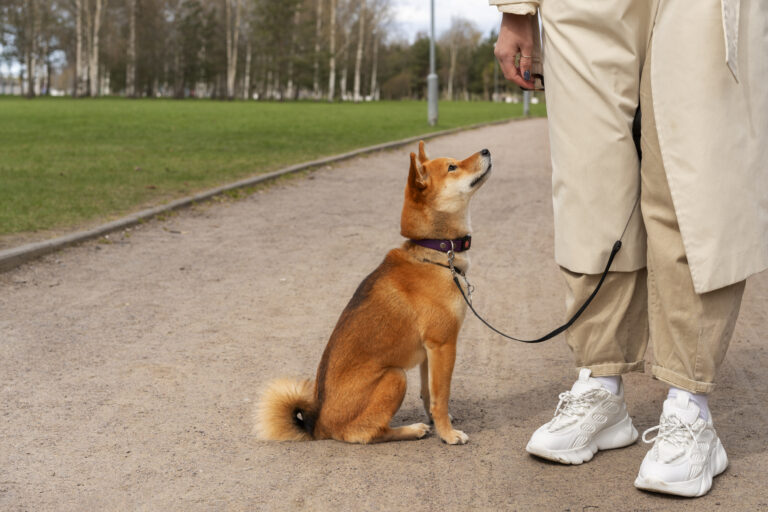
Basic obedience and commands form the foundation of trick dog training. These include simple actions like sit, stay, and come. Without these basic skills, advanced tricks can be difficult to master.
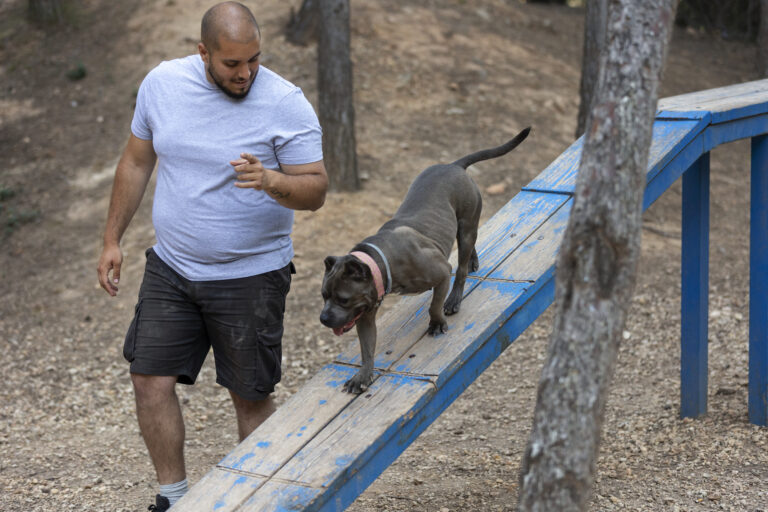
Agility training helps enhance a dog’s physical capabilities and confidence. It involves navigating through obstacle courses, including jumps, tunnels, and weave poles. This type of training improves physical fitness and strengthens the dog-handler bond.
Advanced tricks and routine choreography are where creativity shines. Dogs can learn to perform tricks like walking on hind legs, playing dead, or even riding a skateboard. Handlers often combine multiple tricks to create entertaining routines. Consistent practice and positive reinforcement are key here.
In addition to physical skills, mental stimulation is crucial. Trick dogs must problem-solve and remember complex sequences. This keeps their minds sharp and helps prevent boredom.
Basic Obedience and Commands
Commands like sit, stay, and come are the building blocks of more advanced training. They ensure a dog can follow instructions and stay safe in various environments.
During training, use positive reinforcement with treats, praise, or toys. Short and frequent sessions are more effective than long ones. Practice in different environments so the dog obeys commands anywhere.
To keep training fun, mix up the commands. Alternate between different basics to keep your dog engaged.
Agility Training
Agility training directs the dog through obstacles like jumps, tunnels, and weave poles. It requires both speed and precision, improving teamwork between dog and handler.
It boosts the dog’s health by toning muscles, keeping joints flexible, and burning excess energy. It also improves confidence and problem-solving skills.
Keep sessions positive and use rewards. Vary the course layout to prevent boredom.
Advanced Tricks and Routine Choreography
Advanced tricks include walking on hind legs, spinning, or playing dead. Combining tricks into choreographed routines adds sophistication and entertainment value.
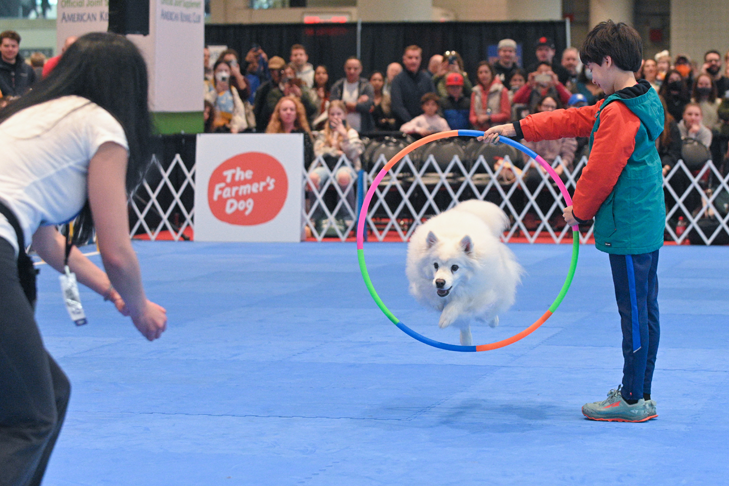
Props like hoops or balls can enhance routines but should be introduced gradually. Pacing is important—allow smooth transitions between tricks.
Regular practice helps maintain skills and strengthens the handler-dog bond.
Benefits of Training Dogs for Trick Performances
- Enhances physical health and stamina.
- Provides mental stimulation, preventing boredom and destructive behavior.
- Strengthens the bond between dog and handler.
- Improves socialization and confidence.
- Brings joy and entertainment to audiences.
Popular Trick Dog Competitions Around the World
- Westminster Kennel Club Dog Show (USA): Prestigious event featuring agility and obedience.
- Crufts (UK): World’s largest dog show, includes heelwork to music.
- National Dog Show (USA): Annual show broadcast nationwide.
- FCI International Agility Competition (Japan): Global event emphasizing agility and trick skills.
- European Open Junior Agility Championship: For young handlers and their dogs.
These competitions celebrate canine skills and build a worldwide community.

Training Tips for Aspiring Trick Dog Handlers
- Start simple and progress gradually.
- Be consistent with training schedules.
- Use positive reinforcement with immediate rewards.
- Break advanced tricks into smaller steps.
- Use tools like clickers, treat pouches, and target sticks.
- Practice in various environments: home, parks, and crowded places.
Success Stories of Famous Trick Dogs and Their Trainers
- Jumpy (Omar von Muller): Known for skateboarding and backflips, featured in films.
- Hero (Sara Carson): Performed on talent shows, famous for creative routines.
- Norman the Scooter Dog (Karen Cobb): Mastered scooter riding, appeared on TV.
- Mari (Rintaro Saito, Japan): Star in agility competitions, known for precision.
- Olate Dogs (Richard & Nicholas Olate): Rescue dogs that won America’s Got Talent.
These stories show how patience, consistency, and creativity lead to success.
Frequently Asked Questions
- Can all dog breeds learn tricks? Yes, with proper training and patience. Tailoring tricks to a dog’s strengths helps.
- How long does training take? Basic tricks may take days; advanced routines take months. Patience and daily practice are key.
- What are popular trick dog competitions? Westminster, Crufts, National Dog Show, and FCI International Agility Competition.
- What is positive reinforcement? Rewarding desired behaviors with treats, praise, or playtime to encourage repetition.
- Are there tools for trick dog training? Clickers, treat pouches, and target sticks can speed up learning and improve focus.
Conclusion
Training dogs to perform tricks requires patience, dedication, and creativity. It improves health, sharpens minds, strengthens bonds, and entertains audiences. Trick dogs continue to inspire with their intelligence and abilities, leaving lasting impressions on everyone who sees them.
"*" indicates required fields