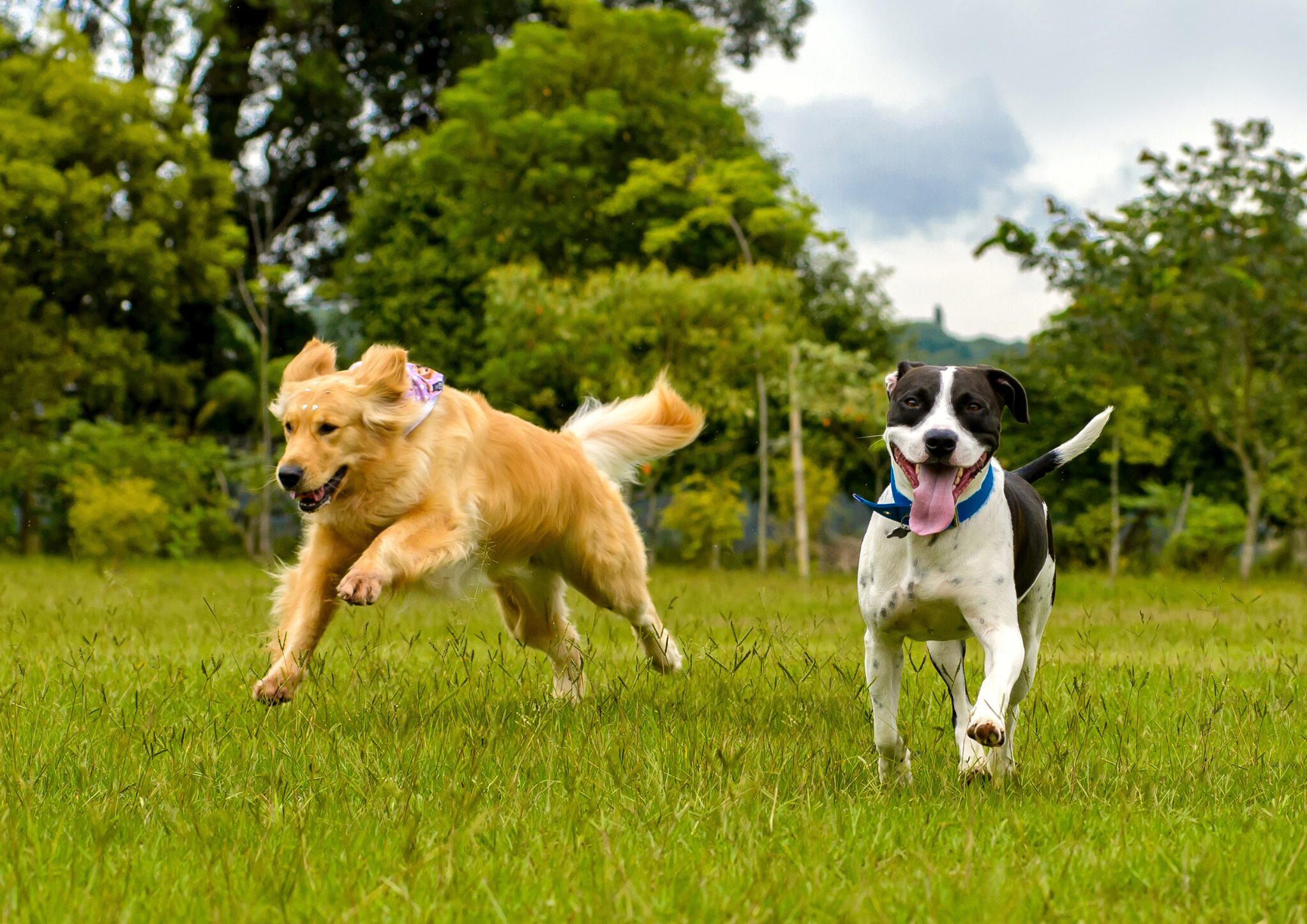
EVERYDAY DOG SAFETY (Must Know Basics)
Keeping your dog safe is not just about emergencies. Dog safety starts with everyday habits and simple precautions that protect your dog’s health, behavior, and overall well-being. By paying attention to small details at home and during daily routines, you can prevent many common accidents and issues before they happen.
Create a Safe Home Environment
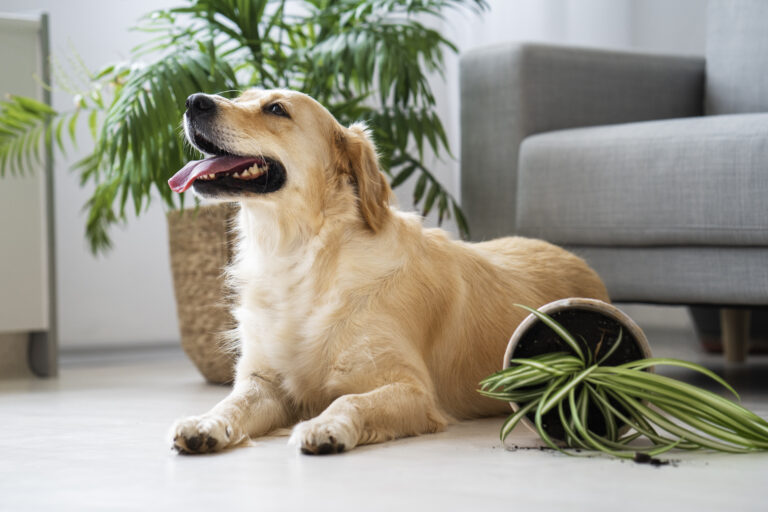
Your home should be a place where your dog can relax without unnecessary risks. Many everyday items can become hazards if left unattended.
Common safety tips include:
• Keep cleaning products, medications, and chemicals stored securely
• Avoid leaving small objects, cords, or toys within reach
• Secure trash cans to prevent scavenging
• Block access to unsafe areas like garages or storage rooms
A quick scan of your home from your dog’s point of view can help you spot potential dangers.
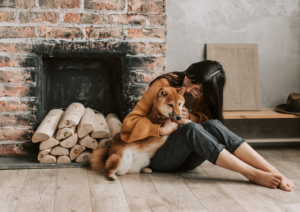
Supervise Outdoor Time
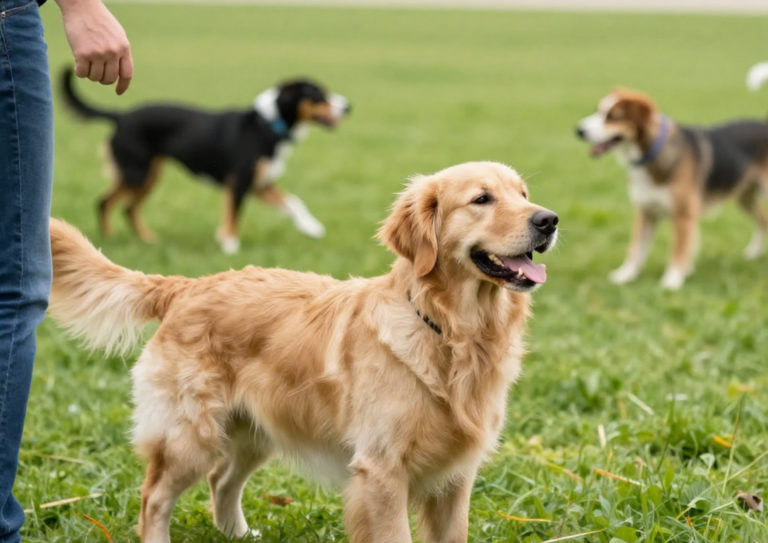
Whether your dog is in the yard or out on a walk, supervision matters. Even familiar environments can change quickly.
Important outdoor safety basics:
• Check fences and gates regularly
• Use a leash in unsecured areas
• Watch for sharp objects, toxic plants, or wildlife
• Never leave your dog unattended outside for long periods
Supervision helps prevent escapes, injuries, and unwanted encounters.
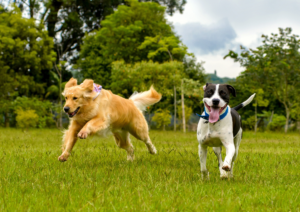
Practice Safe Feeding Habits
Not all human food is safe for dogs. Feeding table scraps or allowing access to leftovers can lead to serious health issues.
Safe feeding reminders:
• Stick to a consistent diet
• Avoid toxic foods like chocolate, grapes, onions, and alcohol
• Store food securely and remind guests not to feed your dog
• Monitor chewing habits to prevent choking
Healthy feeding routines support both safety and digestion.
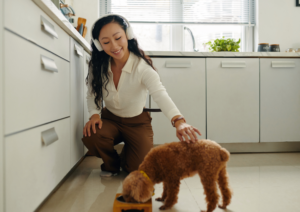
Maintain Training and Structure
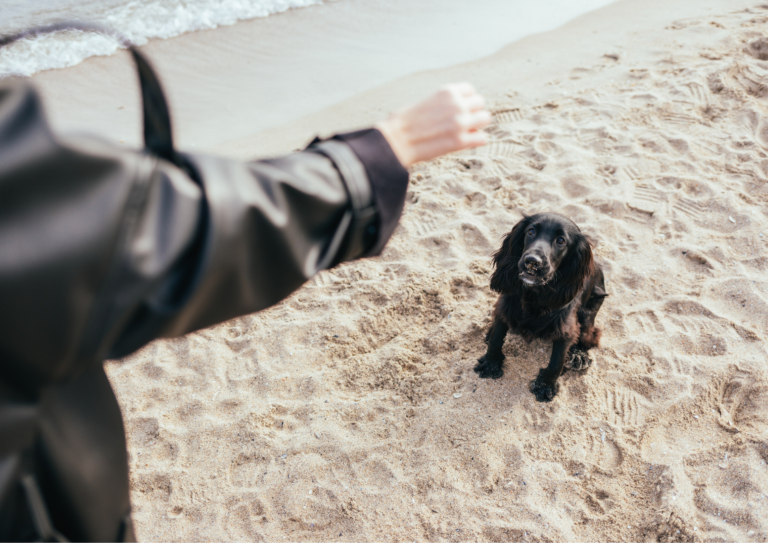
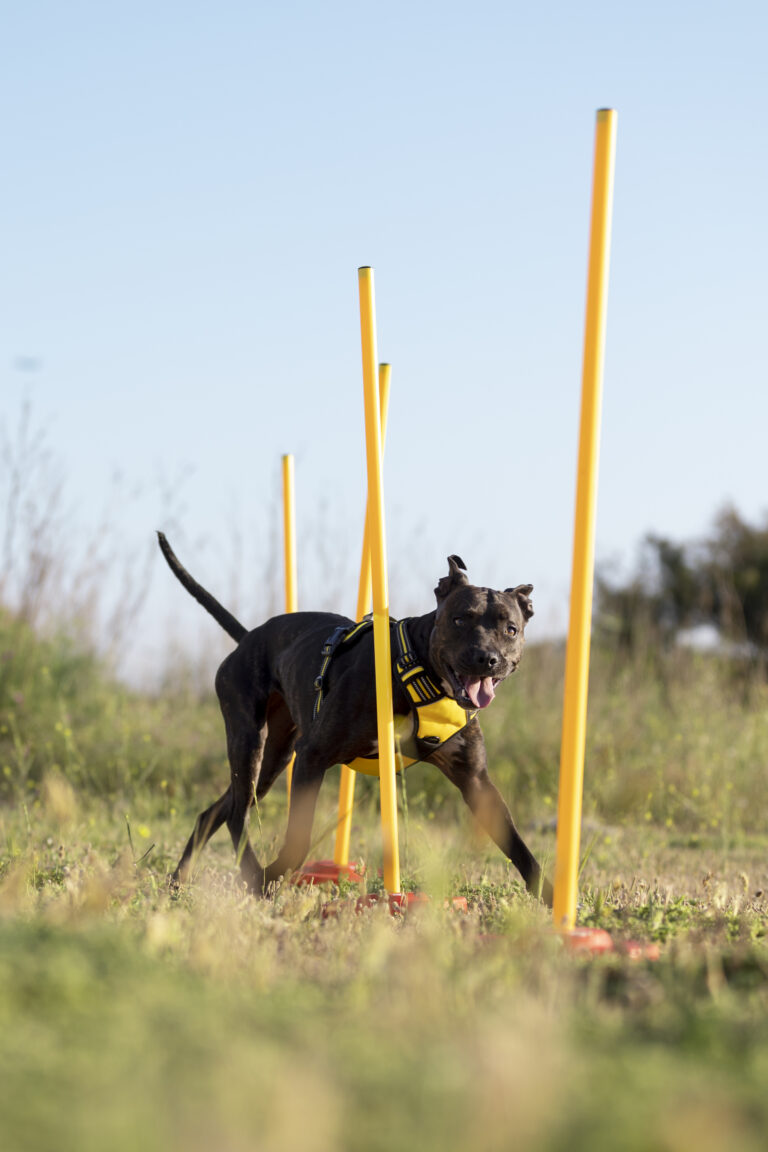
Basic training is a key part of everyday safety. A dog that responds to commands is easier to manage in unexpected situations.
Helpful safety related skills include:
• Reliable recall
• Calm behavior around doors and visitors
• Loose leash walking
• Place or settle commands
Training gives your dog clear guidance and helps prevent accidents.
Watch for Signs of Stress or Discomfort
Dogs often show subtle signs when something is wrong. Changes in behavior, appetite, or energy levels should not be ignored.
Pay attention to:
• Excessive panting or pacing
• Sudden fear or aggression
• Hiding or withdrawal
• Limping or sensitivity
Early awareness allows you to address problems before they escalate.
Keep Identification Updated
Even the most careful owners can experience accidents. Proper identification helps ensure your dog gets home safely.
Must have identification includes:
• A secure collar with ID tags
• Up to date microchip information
• Clear contact details
This simple step can make a big difference if your dog ever gets lost.
Final Thoughts
Everyday dog safety comes down to awareness, consistency, and preparation. By creating a safe environment, maintaining training, supervising daily activities, and paying attention to your dog’s needs, you build a foundation that supports a healthy and secure life. Small habits practiced daily can prevent big problems and help your dog stay safe, confident, and happy.
"*" indicates required fields