A Calm Dog Doesn’t Happen by Season—It Happens Through Training
Many dog owners notice changes in their dog’s behavior throughout the year. During cooler months, some dogs seem calmer and more relaxed. When spring or summer arrives, those same dogs may suddenly become more energetic, excitable, or difficult to manage.
It’s easy to assume the season is responsible for the behavior. While weather and environmental changes can certainly influence a dog’s energy level, they are rarely the true reason a dog is calm or well-behaved.
A calm dog is not created by the season. A calm dog is created through consistent dog training, clear expectations, and regular practice.
Why Seasons Can Be Misleading
Different times of the year naturally affect a dog’s routine. During winter, many dogs spend more time indoors, encounter fewer distractions, and participate in fewer activities. Because of this, they may appear calmer.
As temperatures rise, everything changes. More people are outside, parks become busier, wildlife becomes more active, and families spend more time outdoors. Dogs are suddenly exposed to more sights, sounds, smells, and excitement.
What often looks like a seasonal behavior problem is actually a training issue becoming more noticeable in a more challenging environment.

Calmness Is a Learned Skill
Many people think dogs either have a calm personality or they don’t. In reality, calm behavior is something that can be taught and reinforced.
Dogs are not born knowing how to settle around distractions, greet people politely, or remain relaxed when exciting things are happening around them. These are skills that develop through guidance and repetition.
Just as we teach a dog to sit or come when called, we can teach them how to remain calm in situations that would normally trigger excitement.
The more often calm behavior is rewarded, the more likely a dog is to repeat it.

Exercise Alone Isn’t the Answer
When a dog becomes overly energetic, the first solution many owners think of is more exercise.
Exercise is important, but it is only part of the equation.
A dog can be physically tired and still struggle with self-control. Some dogs receive plenty of exercise but still jump on visitors, pull on the leash, bark excessively, or become overexcited in stimulating environments.
Training teaches dogs how to manage their energy. Instead of simply burning it off, they learn how to make better decisions and respond appropriately in different situations.
Consistency Creates Stability
Dogs learn through patterns. They pay attention to what works, what gets rewarded, and what is expected of them.
When expectations change from day to day, dogs often become confused. One day they’re allowed to rush through doorways, the next day they’re corrected for it. Sometimes jumping gets attention, other times it doesn’t.
Consistency helps eliminate that confusion.
When rules remain clear throughout the year, dogs become more confident because they understand what is expected regardless of the environment or season.
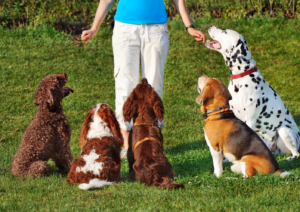
Training Needs Real-World Practice
A dog that behaves perfectly in the living room may struggle at a busy park.
That’s because training is not truly complete until it works in different environments.
Many owners stop practicing once their dog learns a command at home. However, dogs need opportunities to apply those skills around distractions, new people, and unfamiliar situations.
The more experiences a dog has practicing calm behavior in the real world, the more reliable that behavior becomes.
Calm Dogs Still Need Ongoing Training
Even well-trained dogs benefit from regular reinforcement.
Training isn’t something you finish and forget about. Like any skill, it stays sharp through practice.
This doesn’t mean setting aside hours every day. Small moments throughout daily life make a difference. Asking for calm behavior before meals, during walks, when guests arrive, or before playtime helps maintain good habits over time.
These everyday interactions continue to strengthen the behaviors you want to see.
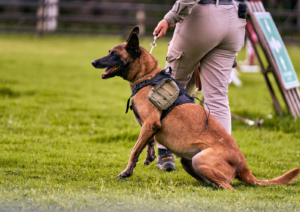
Final Thoughts
Weather changes, seasons change, and routines change. Your dog’s environment will never stay exactly the same.
What creates lasting calm behavior is not the time of year—it’s the foundation you’ve built through training.
A dog that has learned how to focus, respond to guidance, and remain composed around distractions is far more likely to stay balanced no matter the season. While the world around them may change, their ability to handle it comes from the training and structure they’ve practiced all along.
That’s why calm dogs don’t happen by season. They happen through consistent training.
Website Contact Form
"*" indicates required fields