Why Dogs Need Boundaries, Not More Freedom
Many dog owners assume that giving a dog more freedom will help them become happier and better behaved. The idea makes sense on the surface—more freedom should mean less stress and fewer restrictions. But in reality, most dogs don’t improve with unlimited freedom. They improve with structure.
Freedom without boundaries often leads to confusion, inconsistent behavior, and habits that become harder to correct over time. Dogs don’t naturally understand household rules or social expectations. They learn them through clear guidance and repetition.
Too Much Freedom Creates Confusion
Dogs feel most secure when they understand what is expected of them. When rules change often—or don’t exist at all—dogs are left guessing.
For example, a dog that is sometimes allowed on furniture and sometimes corrected for it doesn’t see a clear rule. Instead, they experiment and learn through trial and error. This can lead to pushy behavior, anxiety, or selective listening.
Boundaries remove that uncertainty. They give dogs a clear framework to operate within, which actually makes them more relaxed, not less.

Structure Builds Better Behavior
A well-behaved dog is rarely the result of “letting them be free.” It’s usually the result of consistent structure.
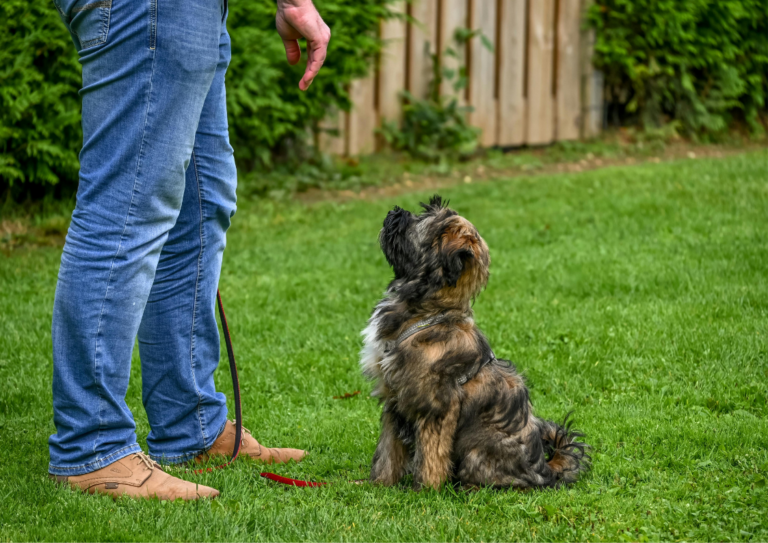
Simple boundaries like waiting before going through doors, walking calmly on a leash, or not jumping on people create a predictable routine. Over time, these expectations shape how a dog behaves in different environments.
Structure doesn’t restrict a dog’s personality—it guides it. A dog with boundaries still plays, explores, and enjoys life, but does so in a controlled and manageable way.
Freedom Without Training Leads to Problems
When dogs are given freedom without the skills to handle it, behavior issues often appear.
This might look like:
- Pulling hard on the leash during walks
- Ignoring commands outdoors
- Jumping on guests
- Stealing food or items around the house
- Running away when given too much freedom
- Not coming when called, especially around distractions
These behaviors aren’t signs of a “bad dog.” They are often the result of too much freedom without enough direction.
Dogs naturally follow what works for them. If no boundaries are in place, they will create their own rules.
Boundaries Create Calmness
One of the biggest benefits of structure is emotional balance. Dogs with clear rules tend to be calmer because they don’t feel responsible for making constant decisions.
Instead of reacting to everything around them, they understand how to behave in different situations. This reduces stress and creates more predictable behavior at home and in public.
Calmness doesn’t come from exhaustion or unlimited space. It comes from understanding and consistency.

Freedom Becomes Safe Only After Training
Freedom is not the goal—it is something earned through training.
A dog can enjoy off-leash time, open spaces, or relaxed household rules only when they have shown they can handle those situations responsibly. Without that foundation, freedom can become unsafe or overwhelming.
Training builds reliability. Boundaries protect that training until it becomes consistent.
Balanced Freedom Still Matters
This doesn’t mean dogs should live under constant restriction. Dogs still need play, exploration, and time to express themselves.
The difference is that freedom works best when it exists inside structure. A dog can run, play, and explore—but still respond when called, respect space, and understand limits.
That balance creates a dog that is both happy and manageable.
Final Thoughts
Dogs don’t become well-behaved simply because they are given more freedom. They become well-behaved when they are given clear boundaries and consistent expectations.
Structure gives dogs confidence. It removes confusion and helps them understand how to navigate the world successfully.
In the end, boundaries don’t limit a dog’s life—they make it easier for them to thrive in it.
Website Contact Form
"*" indicates required fields