How Your Daily Routine Shapes Your Dog’s Behavior
Dogs thrive on routine, and it has a significant impact on your dog’s behavior. While they may not be able to tell time the way people do, they quickly learn patterns. They know when it’s time to eat, when you usually grab the leash, and even when you’re getting ready to leave the house.
Because dogs are creatures of habit, your daily routine has a bigger impact on their behavior than you might realize. The habits you create, the consistency you provide, and the expectations you reinforce every day all help shape how your dog behaves.
Whether you’re working on obedience, improving manners, or simply trying to create a calmer household, your everyday routine plays an important role.
Dogs Learn From Repetition
Dogs don’t become well-behaved because they understand rules after hearing them once. They learn through repetition.
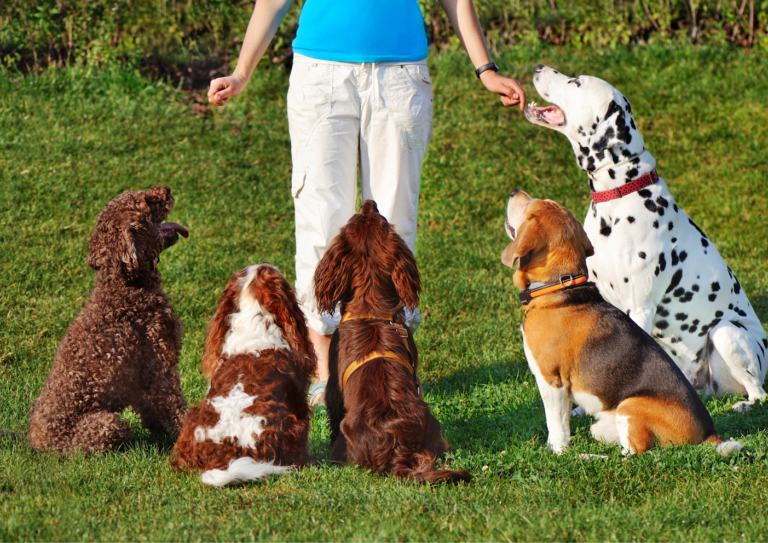
Every day presents opportunities to reinforce good habits. Asking your dog to wait before going outside, walk calmly to the car, or sit before receiving their meal teaches them that patience and self-control are part of everyday life.
These small moments may seem insignificant, but repeated over weeks and months, they become normal behaviors instead of something your dog only does during training sessions.
Consistency Builds Confidence
One of the biggest reasons routines matter is because they create consistency.
When your dog knows what to expect, they feel more secure. Clear routines reduce confusion and make it easier for dogs to understand what is expected of them.
On the other hand, constantly changing rules can slow progress. If your dog is allowed to jump on visitors one day but corrected for it the next, they’ll struggle to understand which behavior is actually expected.
Consistency helps dogs learn faster because the message stays the same.
Everyday Activities Become Training Opportunities
Many owners think training only happens during dedicated practice sessions. In reality, some of the most valuable lessons happen throughout the day.
Simple routines like putting on a leash, greeting guests, loading into the car, or waiting at doorways all provide opportunities to reinforce calm behavior and good manners.
Instead of seeing these moments as chores, think of them as short training sessions that help strengthen your dog’s habits without adding extra time to your day.

Your Energy Influences Your Dog
Dogs are incredibly aware of the people around them. They often respond to the energy and emotions in the household.
If mornings are rushed and chaotic, your dog may become more excited or anxious. If you stay calm and give clear direction, your dog is more likely to mirror that behavior.
While you can’t control every stressful moment, maintaining a calm and predictable approach helps your dog feel more secure throughout the day.
Routine Helps Prevent Behavior Problems
Many common behavior issues develop when dogs lack structure.
Without a predictable routine, some dogs become bored, restless, or uncertain about what to do. That can lead to behaviors like excessive barking, chewing, jumping, or constantly seeking attention.
A consistent schedule that includes exercise, mental stimulation, rest, and training gives dogs healthy outlets for their energy and helps prevent many of these problems before they start.
Small Habits Create Lasting Results
Good behavior is usually the result of many small habits rather than one major training breakthrough.
Taking a few extra seconds to ask your dog to wait before eating, reward calm behavior, or practice a quick recall in the backyard may not seem like much on its own. But over time, these repeated actions create a dog that listens more reliably and understands how to behave in different situations.
The little things you do every day often have the biggest impact.
When Life Changes, Dogs Notice
Changes in your schedule can also affect your dog’s behavior.
Moving to a new home, changing work hours, having guests stay over, or even children returning to school can disrupt routines that your dog has become accustomed to.
During these transitions, maintaining familiar training habits and daily structure can help your dog adjust more smoothly and reduce stress.
Final Thoughts
Your dog’s behavior isn’t shaped by training sessions alone. It’s shaped by the routines and expectations they experience every single day.
The way you start the morning, handle walks, greet visitors, and reinforce good behavior all contribute to the dog your companion becomes.
By creating a consistent daily routine with clear expectations, you’re not just building better obedience—you’re helping your dog become calmer, more confident, and easier to live with for years to come.
Website Contact Form
"*" indicates required fields