DOG AGILITY TRAINING – SPEED AND SKILL
Have you ever witnessed a Border Collie effortlessly weave through poles or sprint across an A-frame at lightning speed? This is the thrilling world of dog agility training, where speed and skill merge to create a mesmerizing dance between handler and dog.
Dog agility has roots tracing back to the late 1970s, with the first official competitions held in the UK. Today, it boasts a massive following globally, with significant year-over-year growth in participation. Combining elements of obedience, athleticism, and strategy, agility training provides dogs with mental stimulation and physical exercise, proving beneficial for both canines and their handlers.
Agility training requires consistent practice to enhance both speed and skill. Sprints and interval training boost speed, while precision develops through weave poles and contact equipment. Positive reinforcement builds confidence, ensuring both physical prowess and mental sharpness for competition readiness.

Understanding the Basics of Dog Agility Training
The foundation of agility lies in basic obedience. Dogs must reliably respond to simple commands like sit, stay, and come before progressing. Training sessions should be short, consistent, and fun to maintain attention and reinforce skills.
Once obedience is mastered, dogs are introduced to agility obstacles such as jumps, tunnels, and contact equipment. Beginners start with low, simple obstacles to build confidence, gradually advancing to more complex challenges.
Handler-dog communication is key. Voice commands, hand signals, and body movements guide the dog through the course. This partnership strengthens the bond between them while improving performance.
Incorporating varied training techniques and rewards such as treats or toys keeps sessions dynamic. Mixing obstacles and exercises maintains enthusiasm and ensures steady progress.
Essential Equipment for Efficient Training
Agility training relies on specialized equipment designed to test speed, confidence, and precision.
Jumps (bar jumps, tire jumps) improve a dog’s jumping ability and control.
Tunnels (straight or curved) test speed and confidence in confined spaces.
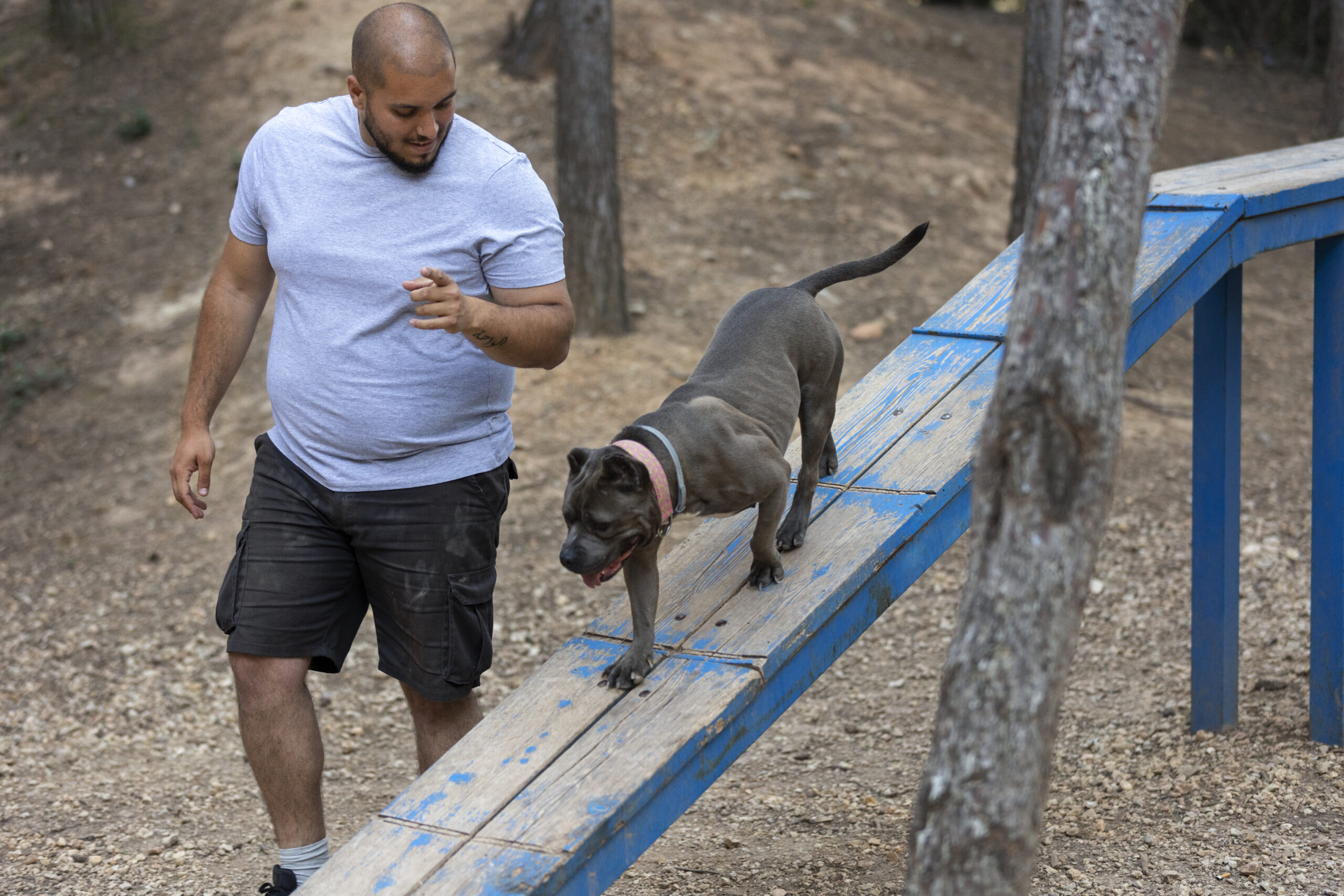
Contact equipment (A-frames, see-saws, dog walks) teach safe navigation of elevated surfaces, with marked zones for proper performance.
Weave poles challenge flexibility and focus, requiring consistent practice to master.
Versatile, adjustable equipment such as collapsible tunnels or adjustable jumps allows dogs to progress at their own pace.
Training Techniques to Enhance Speed
Speed is crucial in agility. Sprint drills and interval training help build strength, acceleration, and endurance. Pacing should start moderately, then increase gradually to prevent injuries while improving accuracy.
Incorporating games such as fetch or tug-of-war adds fun and reinforces speed naturally. High-value rewards like treats or toys further boost enthusiasm and drive. Keeping sessions playful and varied ensures dogs remain motivated.
Developing Precision and Skill
Precision is equally important for success. Regular, focused training builds muscle memory and confidence.
Weave poles develop coordination and sharp turning ability.
Visual markers (cones or flags) can guide early training before being phased out.
Mini-courses simulate competition environments, helping dogs apply their skills under realistic conditions.
Positive reinforcement strengthens accuracy. Immediate rewards for correct maneuvers make learning clear and enjoyable.
Benefits of Agility Training for Dogs
Agility offers wide-ranging benefits:
Physical fitness: Improves strength, stamina, and weight management while reducing risks of obesity-related issues.
Mental stimulation: Keeps dogs sharp, engaged, and less prone to boredom or destructive behaviors.
Bonding: Builds trust and teamwork between handler and dog.
Confidence: Successfully tackling challenges enhances adaptability and reduces fear in new situations.
Socialization: Training classes and competitions allow dogs to interact in controlled environments and handlers to build supportive communities.
Frequently Asked Questions
1. What age should a dog start agility training? Most dogs begin formal agility training at 1 year old to protect developing joints. However, puppies can start with basic obedience and foundational skills earlier.
2. How long does it take for a dog to become proficient? It varies by breed, age, and training consistency, but on average six months to a year of practice builds proficiency.
3. What breeds are best suited? Border Collies, Shetland Sheepdogs, and Australian Shepherds excel, but any energetic, eager-to-learn dog can thrive.
4. How can training stay engaging? Rotate exercises, use high-reward treats or toys, and integrate games like fetch to keep sessions fun.
5. Are there health risks? Like any sport, agility can cause joint or muscle injuries. Warm-ups, cool-downs, and regular vet checkups minimize risks.
Conclusion
Dog agility training emphasizes both speed and skill, providing physical fitness, mental stimulation, confidence, and a stronger bond between dog and handler. With consistent practice, positive reinforcement, and the right equipment, agility becomes a rewarding journey that brings out the best in canine companions.
"*" indicates required fields