Dog Running Sport – What Is Canicross?
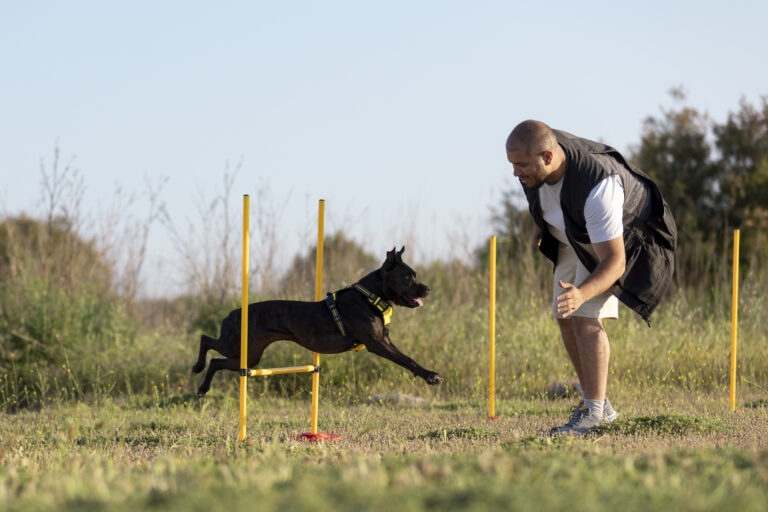
Canicross is a fast-growing dog running sport that combines endurance, coordination, and teamwork between a dog and its handler. Originally developed in Europe as a way to keep sled dogs fit during the off-season, it has evolved into a competitive and recreational sport for all kinds of dogs and owners. Unlike ordinary jogging, canicross is structured, guided, and requires real teamwork.
How Canicross Works
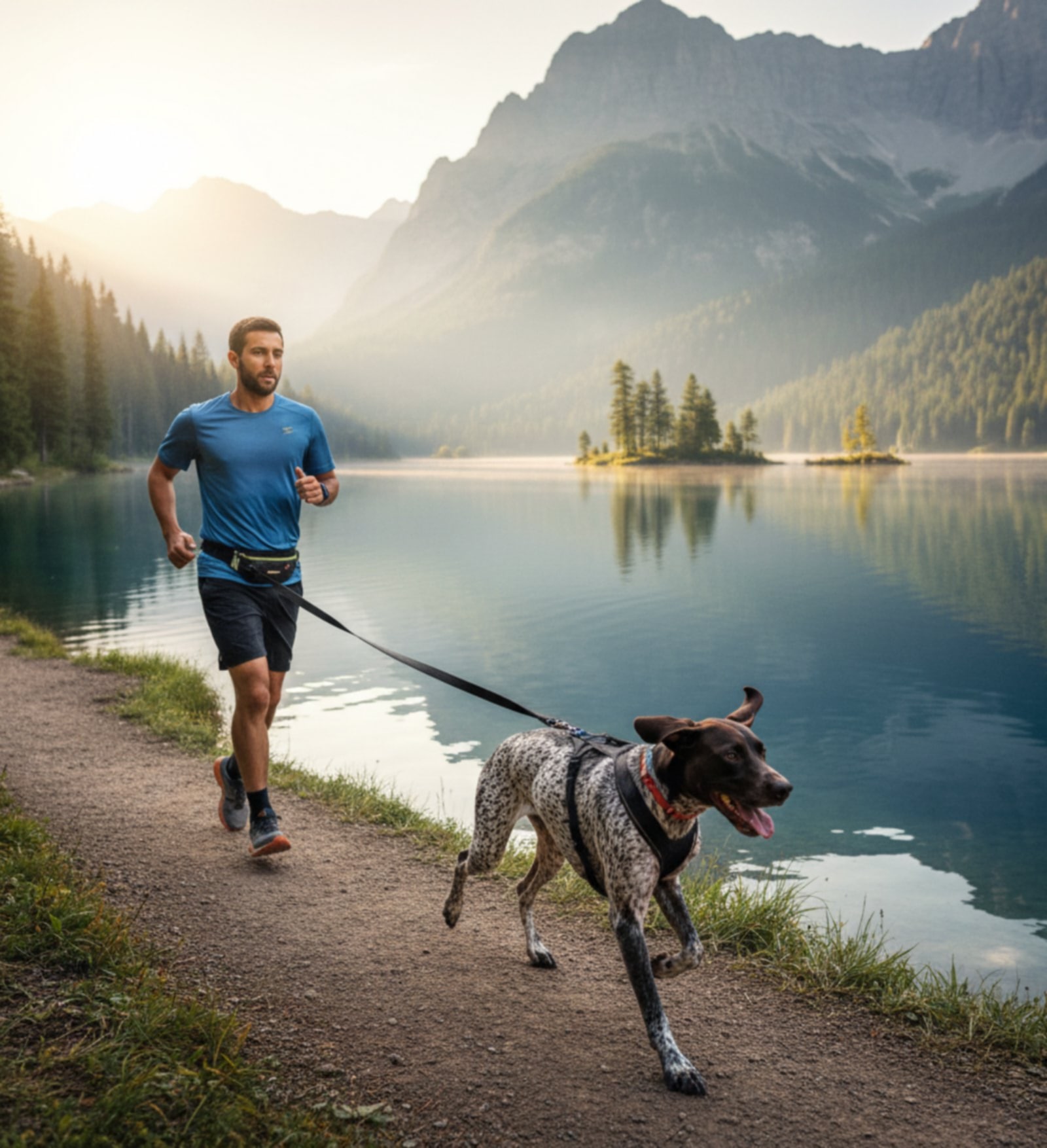
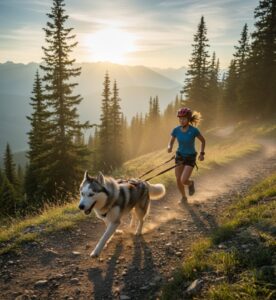
In canicross, the runner (called the handler) wears a waist belt connected to the dog’s harness by a bungee line. This line absorbs tension as the dog pulls forward, preventing sudden jerks for both the dog and the human. The dog’s role is to lead the run, maintaining steady forward movement while listening for commands that control direction and speed.
Handlers use short, clear voice cues such as “left,” “right,” “steady,” or “go” to guide their dogs through trails. Since dogs run in front, communication and consistency are essential. The handler must learn to keep pace, trust the dog’s instincts, and maintain control without holding a leash.
The Right Gear for Canicross
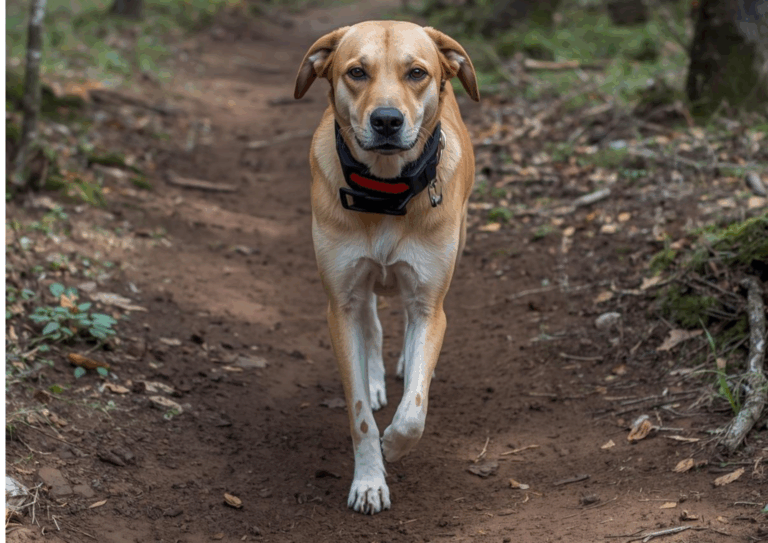
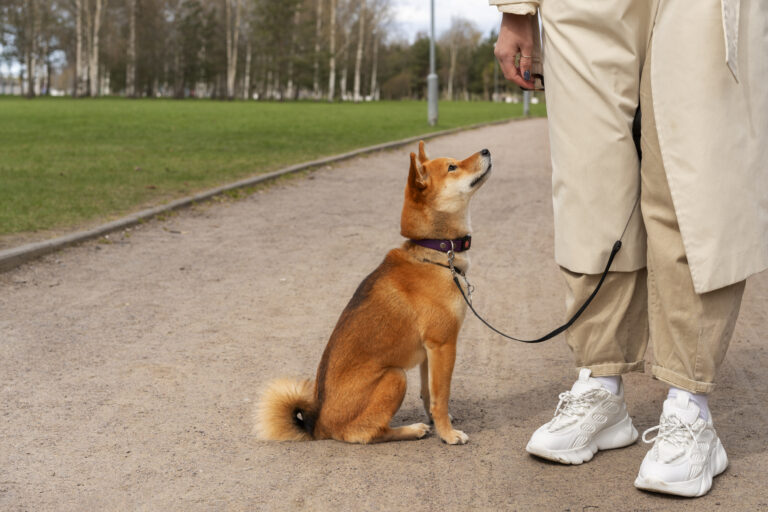
Proper equipment plays a huge role in this sport. A well-fitted canicross harness ensures that the dog can pull comfortably without restricting breathing or movement. The bungee line (also known as a towline) reduces strain on both sides, and a padded waist belt keeps the handler’s posture balanced. Standard leashes or collars aren’t suitable, as they can cause discomfort or injury during high-speed running.

Where It’s Done
Canicross is typically done on dirt paths, forest trails, or grassy terrain — areas that are soft and safe for a dog’s joints. Races and group runs are common in many countries, but it’s also a great solo activity for those who enjoy trail running. Each route can vary in length, usually ranging from 2 to 10 kilometers, depending on the handler’s and dog’s stamina.
Who Can Participate
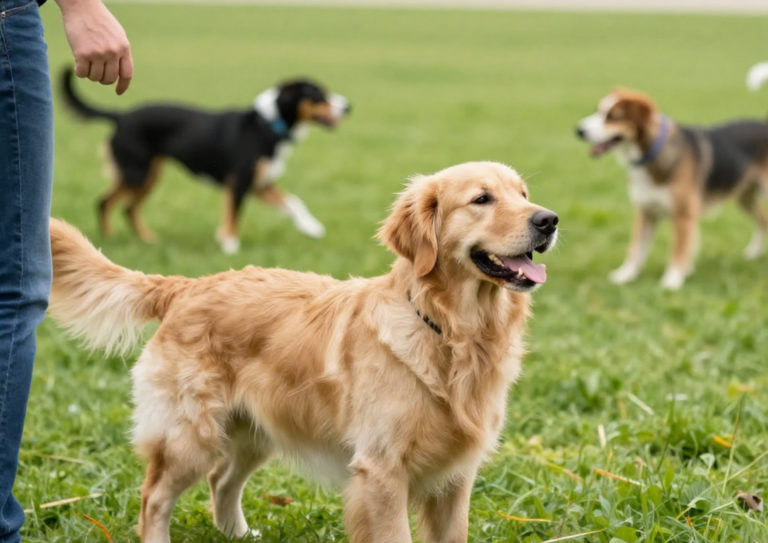
Almost any healthy dog can join canicross. Working breeds like Huskies, Pointers, and Shepherds often excel because of their drive and stamina, but mixed breeds and even smaller dogs can do well. The key factor is fitness and focus. Dogs must be old enough for endurance exercise (usually over one year) and cleared by a vet to ensure joint health.
For handlers, no advanced athletic background is required — just a willingness to run and train consistently. Beginners often start with walking or slow jogs, gradually building distance and speed as both dog and owner adjust to the teamwork.
Benefits of Canicross
This dog running sport provides several benefits beyond physical fitness. It builds discipline, improves obedience, and channels a dog’s energy into a clear purpose. Dogs learn how to stay focused, follow directions, and work through distractions like other animals or noises. For the handler, it’s an effective full-body workout that strengthens core muscles and endurance.
Unlike regular dog walks, canicross helps form a deeper bond through trust and cooperation. The dog learns to respond to the handler’s voice, and the handler learns to read the dog’s pace and body language. Over time, both develop a rhythm that turns running into a shared flow rather than a chore.
Getting Started
For those new to canicross, start with short, controlled runs in quiet areas. Teach your dog directional cues and pacing before joining events or longer trails. Warm-ups and cool-downs are important, as is hydration during hot weather. Organized clubs and canicross communities can also provide guidance, group runs, and events for different skill levels.
Canicross is more than just a sport — it’s a partnership built on trust, coordination, and effort. Whether for fun or competition, it challenges both dog and human to move together as one, discovering a shared sense of purpose on every run.
"*" indicates required fields