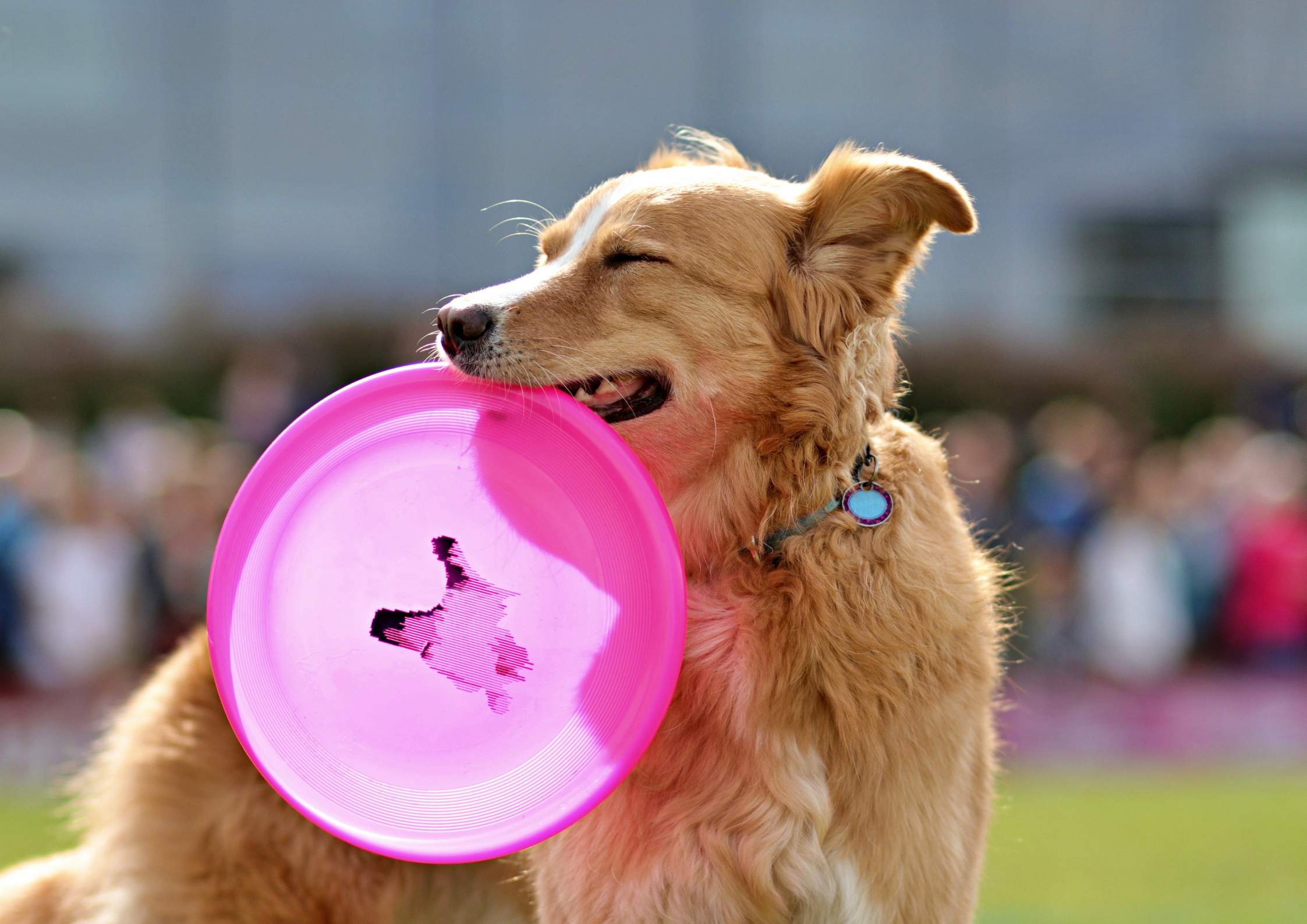
Frisbee Training for Dogs: How to Improve Your Dog’s Catching Skills and Agility
Many people think frisbee training for dogs is just a fun outdoor activity, but it offers much more than that. When your dog chases and catches a frisbee, they engage muscles they don’t use during regular walks. Jumping, turning, and sprinting all strengthen their core, legs, and overall fitness. Mentally, it challenges them to track a moving object, judge timing, and plan their jumps, which sharpens their problem-solving skills.
Plus, frisbee training strengthens the human-dog bond. Your dog learns to focus on you, respond to commands, and trust your guidance while enjoying the game. It’s teamwork in motion, making it a rewarding activity for both you and your dog.
Getting Started with Frisbee Training
Before you throw your first frisbee, it’s important to set up your dog for success. Begin with these simple steps:
- Choose the Right Frisbee – Always use a dog-safe frisbee. Soft, durable discs made of rubber or flexible material are perfect for protecting your dog’s teeth and gums. Avoid hard plastic discs.
- Pick a Safe Training Space – An open grassy area is ideal. Avoid areas with traffic, rocks, or uneven surfaces to prevent injuries.
- Start Small – Short, low throws are key when introducing your dog to frisbee training. Allow them to catch the disc from the ground or mid-air without pressure.
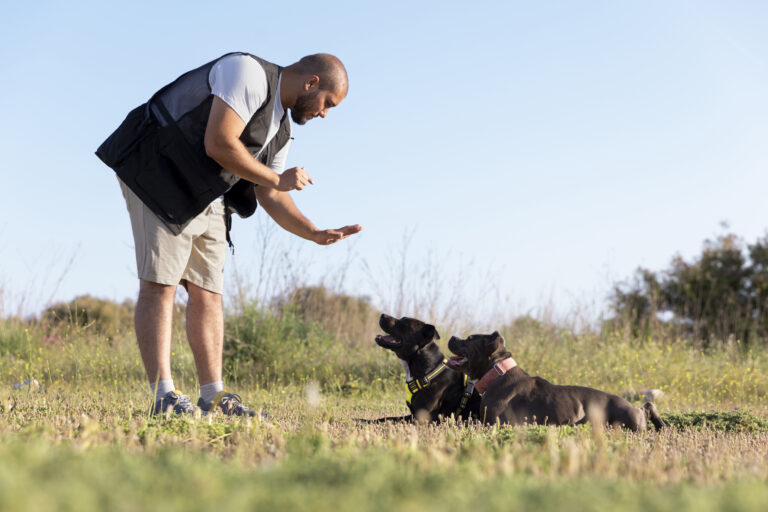
- Use Positive Reinforcement – Reward every successful catch with praise, treats, or a quick game of tug. This builds excitement and motivation.
Step-by-Step Progression for Frisbee Training
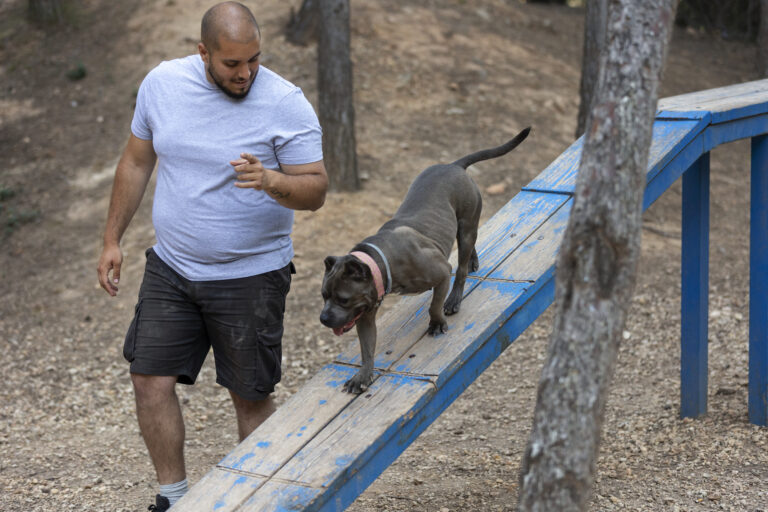
Incorporating Agility into Frisbee Training Frisbee training isn’t only about catching—it’s a full agility workout. Use cones, low jumps, or tunnels to challenge your dog during training sessions. Throw the frisbee over or around obstacles to improve your dog’s speed, reflexes, and body control. This combination of catching and movement keeps your dog physically and mentally engaged.
Common Mistakes to Avoid
- Overtraining – Short, consistent sessions work better than long, exhausting ones. Overtraining can lead to injuries and loss of interest.
- Throwing Too Hard or High – Start small and increase difficulty gradually. This prevents frustration and keeps training enjoyable.
- Ignoring Safety – Always use dog-safe frisbees, avoid hard surfaces, and stop if your dog seems tired, stressed, or in pain.
Conclusion
Frisbee training for dogs is a rewarding, engaging, and healthy activity that benefits both you and your dog. From improving catching skills to boosting agility and coordination, it’s more than a game—it’s a fitness and bonding opportunity. With the right frisbee, a safe environment, and consistent practice, your dog can become an agile, confident, and enthusiastic frisbee-catching champion.
Frisbee training for dogs doesn’t just improve physical skills; it builds trust, focus, and joy. Start small, stay consistent, and watch your dog transform into a frisbee pro.
"*" indicates required fields