Holiday Hazards for Dogs: What Every Dog Owner Should Watch Out For This December
During the holidays, it’s easy to want to share your treats with your dog. While it may seem harmless, many seasonal foods are toxic to dogs. Chocolate, grapes, raisins, onions, garlic, macadamia nuts, alcohol, and fatty scraps can cause serious health issues, from upset stomachs to severe organ damage. Even small amounts can be dangerous. Make sure guests know not to feed your dog table scraps, and store all treats and leftovers in secure containers.

Decorations: Fun or Dangerous?
Holiday decorations can be very appealing to dogs. Tinsel, ribbons, ornaments, and loose lights may look like toys but are dangerous if swallowed. Swallowing even a small piece of tinsel can cause serious digestive problems. Christmas trees should be securely anchored to prevent tipping if your dog bumps or jumps near them. Scented candles, small decorative objects, and string lights should also be kept out of reach to avoid burns, choking hazards, or electrical accidents.

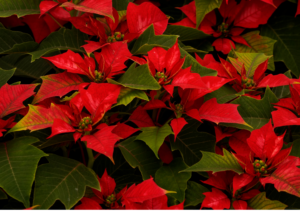
Many festive plants are harmful to dogs. Poinsettias, holly, and mistletoe contain chemicals that can irritate your dog’s mouth, stomach, or worse if ingested. Even small bites can cause vomiting or drooling. If you enjoy having plants around, consider placing them high up, in rooms your dog cannot access, or substituting them with pet-safe alternatives.
The holidays often bring extra noise, visitors, and changes in routine. Some dogs may become anxious or stressed with crowded rooms, loud music, or unexpected guests. Make sure your dog has a quiet, safe space where they can retreat if they feel overwhelmed. Familiar items like their bed, favorite toys, and blankets can help them feel secure.

Holiday travel can also be stressful for dogs. Whether traveling by car or visiting relatives, sudden changes in environment, exposure to new pets, and long trips can cause anxiety. Make sure your dog is comfortable, hydrated, and properly secured during travel. Never leave a dog unattended in a car, especially in hot or cold weather.
Even if you live in a warmer climate, December can bring cooler temperatures that affect dogs, especially small breeds, puppies, and older dogs. Short walks may be fine, but monitor your dog for signs of discomfort. Consider protective clothing like dog sweaters for sensitive breeds and always check paws for irritation after walks on cold or wet surfaces.
Twinkling lights create a magical atmosphere, but dogs may be tempted to chew cords or play with decorations near fireplaces or candles. Ensure all cords are hidden or covered, never leave open flames unattended, and supervise your dog when near lit decorations to prevent burns or electrical accidents.
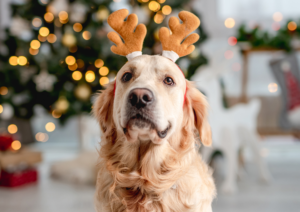
The holidays are a wonderful time to make memories with your dog, but they also require careful attention. By being mindful of toxic foods, hazardous decorations, stress triggers, and travel or weather risks, you can protect your dog while still enjoying the festive season. With a little preparation and awareness, your dog can enjoy December safely, and you can relax knowing they are happy, healthy, and part of your celebrations.
"*" indicates required fields