Belgian Ring: What It Is and How the Dog Sport Works
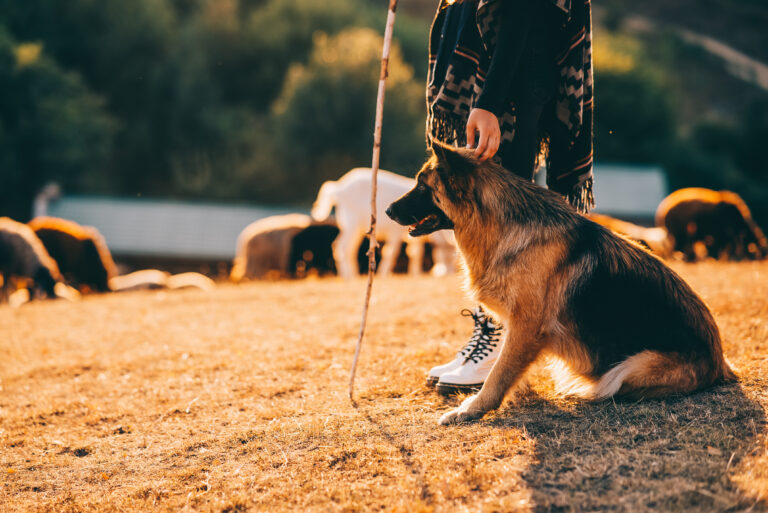
Belgian Ring is a demanding dog sport that combines obedience, jumping, and protection work. It was developed in Belgium and is performed in a fenced competition field, where dogs and handlers are tested through a series of exercises.
The sport is not simply about protection. A successful team needs control, precision, athletic ability, and the ability to work together even when the environment becomes distracting or challenging.
What Is Belgian Ring?
Belgian Ring is a working dog sport made up of three main areas:
- Obedience
- Jumps
- Protection
The exercises are performed without the dog being attached to a leash throughout the trial. This places a strong emphasis on the dog’s ability to remain under control and respond to the handler.
Competitions are held inside a designated ring, and the exercises become more demanding as the dog progresses through the categories.
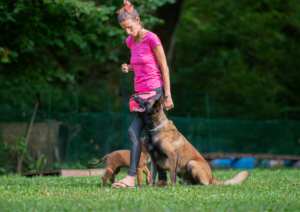
The Obedience Exercises
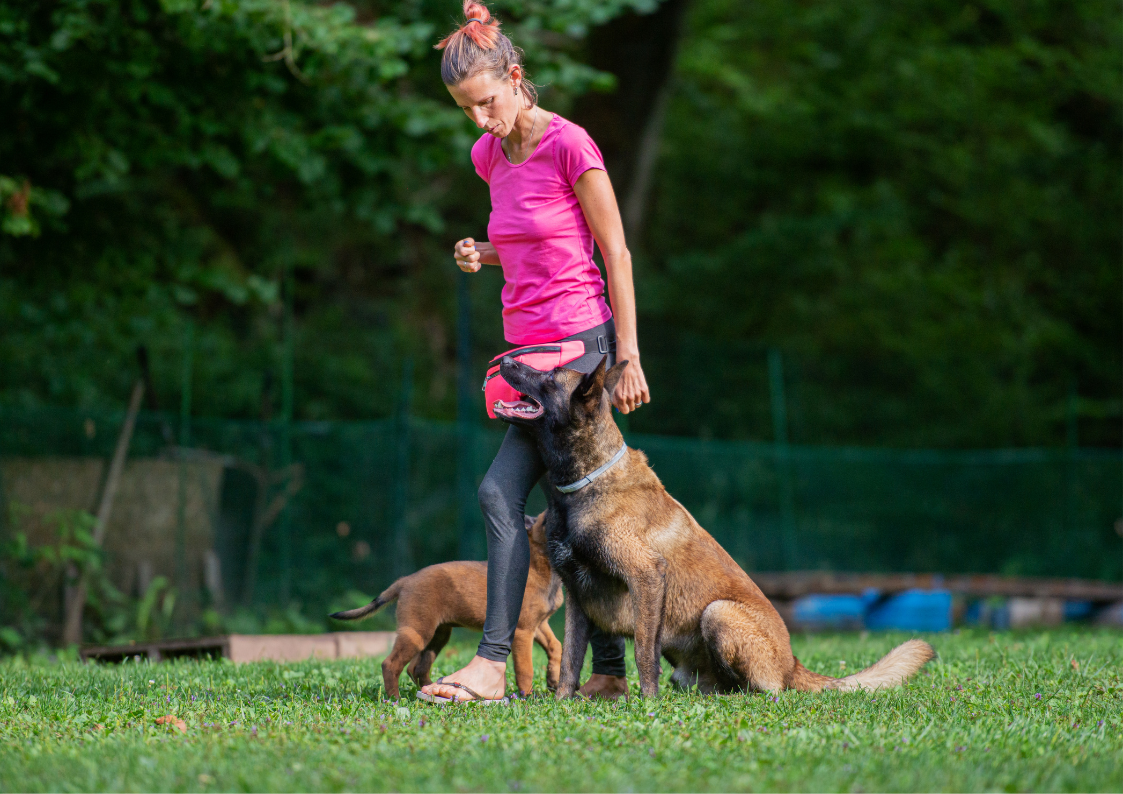
Obedience forms a major part of Belgian Ring.
Depending on the level, dogs may be asked to perform exercises such as heeling, remaining in position, retrieving an object, refusing food, changing positions, searching for an object, and responding to the handler from a distance.
The challenge is not simply whether the dog knows each behavior. The dog must continue responding while distractions and other elements of the competition are present.
This makes control and communication between the dog and handler essential.
The Jumping Exercises
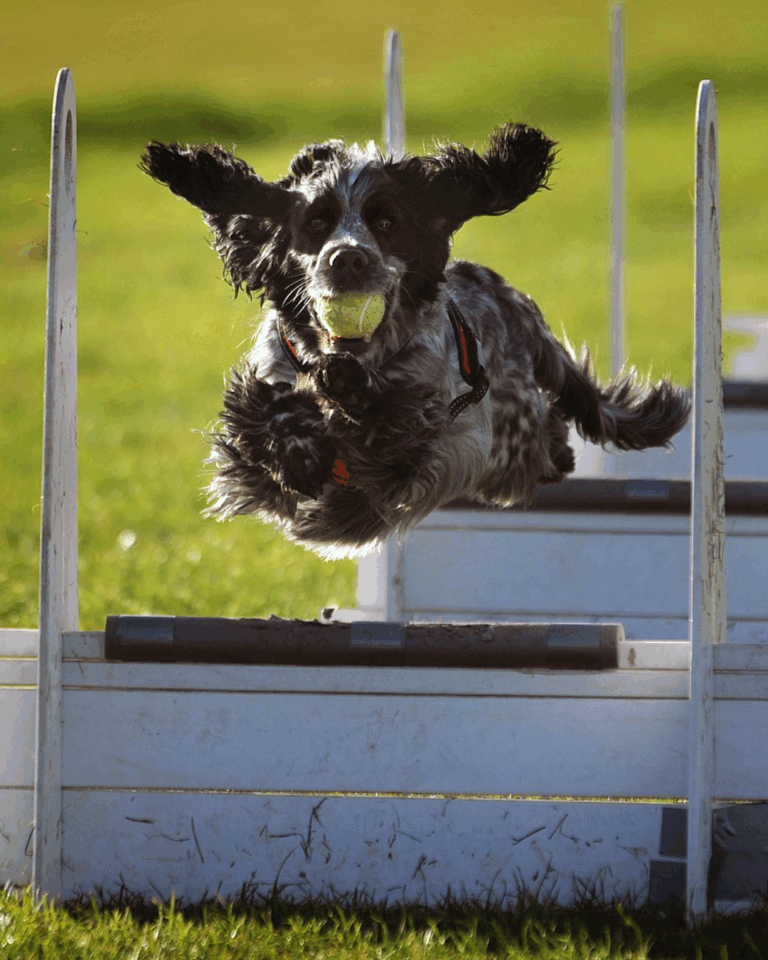
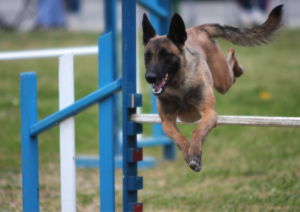
Belgian Ring also tests a dog’s physical ability through different jumping exercises.
The program can include obstacles such as:
- Hurdles
- Palisades
- Long jumps
The jumps test more than athletic ability. Dogs need to understand the exercise, respond to the handler, and complete the obstacle correctly.
Because these exercises involve speed, height, and landing, physical conditioning is an important part of preparing a dog for the sport.
The Protection Work
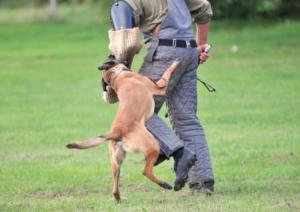
Protection is the third major part of Belgian Ring.
During these exercises, the dog works with trained decoys and must demonstrate controlled responses to different scenarios. The exercises can include attacks, defense of the handler, and other protection situations depending on the competition level.
The dog is expected to remain responsive to the handler throughout the exercise. This is one reason obedience and control are such important foundations for the sport.
Why Is Control So Important?
A Belgian Ring dog needs to be able to switch between different types of work while continuing to listen to the handler.
A dog may be required to perform an obedience exercise, complete a jump, or work through a protection scenario. These are very different tasks, yet the handler must still be able to communicate with the dog.
At higher levels, the competition can involve a themed field with props, distractions, and different setups. The exercises may remain familiar, but their arrangement can change from one competition to another.
This prevents the team from simply memorizing one exact routine.
Belgian Ring Categories
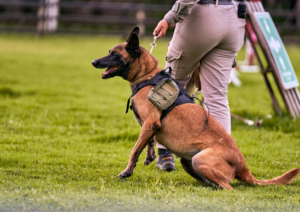
The Belgian Ring program is divided into three categories, with Category 3 serving as the beginner level and Categories 2 and 1 representing progression through the sport.
Under the NVBK system, dogs move between categories after meeting specific scoring requirements. For example, a Category 3 dog can move to Category 2 after achieving the required scores at five competitions, while advancement from Category 2 to Category 1 requires three qualifying scores of 340 points.
The exact requirements are determined by the governing rules for the competition.
What Makes Belgian Ring Different?
Belgian Ring has similarities to other protection sports, but its own competition structure makes it distinct.
The dog is expected to demonstrate obedience, jumping ability, and protection skills within the same trial. The field can also contain different props and distractions, and the arrangement can vary between competitions.
The result is a sport that tests how well a dog can perform across several different types of work rather than focusing on only one skill.
What Kind of Dog Is Suited to Belgian Ring?
Belgian Ring requires a dog that is physically capable of the work and has the temperament and willingness to train at an advanced level.
A strong foundation in obedience is important before introducing more demanding exercises. The dog also needs to be comfortable working around distractions and able to maintain engagement with the handler.
Protection training should be taught under the guidance of experienced trainers who understand the sport and can develop the necessary skills in a controlled environment.
Is Belgian Ring Just About Protection?
No.
Protection is an important part of Belgian Ring, but it is only one section of the sport. A competition also requires obedience and jumping, and the dog must demonstrate control throughout the different exercises.
That combination is what makes Belgian Ring a complete working dog sport. It tests the dog’s ability to listen, move, work, and respond to the handler in a demanding environment.
Final Thoughts
Belgian Ring brings together three very different types of work: obedience, jumping, and protection.
The sport challenges both the dog and handler to develop communication, control, athletic ability, and reliable performance. As teams progress through the categories, the exercises become more demanding and the competition environment can introduce additional challenges.
For owners interested in advanced working dog sports, Belgian Ring offers a structured way to develop and test a wide range of skills while working toward competition titles.
Website Contact Form
"*" indicates required fields