LURE COURSING FOR DOGS – CHASE THE THRILL
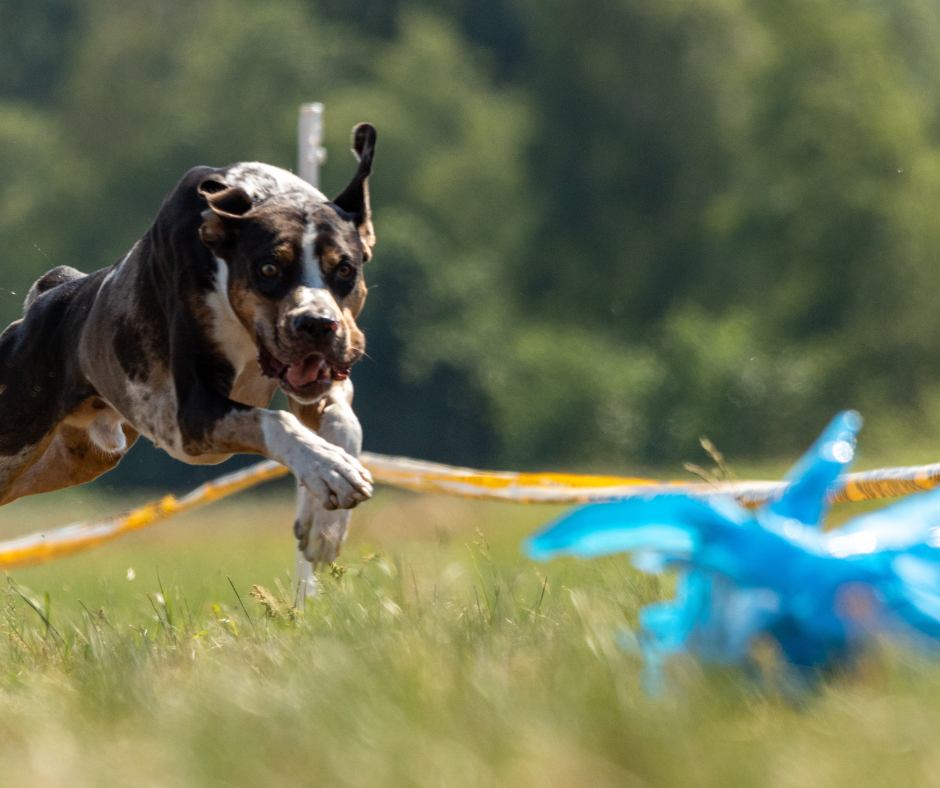
Ever wondered why certain breeds of dogs seem to have an insatiable energy for running and chasing? Lure coursing taps into this primal instinct, transforming a natural behavior into an exhilarating sport. Watching a dog chase the lure at full speed can be awe-inspiring, showcasing their agility and speed.
The sport originated in the early 20th century as a safer and more controlled alternative to live game coursing. Participation in lure coursing events has surged by 25% over the past five years, underlining its growing popularity among dog enthusiasts.
Lure coursing is a competitive sport where dogs chase a mechanically operated lure that mimics the movements of real prey. It promotes physical fitness, mental stimulation, and socialization, while strengthening the bond between dogs and their owners. Although especially popular with high-energy breeds like Greyhounds and Whippets, any dog that loves to run can participate.
Owners enjoy watching their pets display speed, agility, and focus as they chase the lure across fields or tracks. The sport requires minimal equipment: a lure, a course field, and a pulley system to move the lure. Lure coursing kits are available and can be adjusted to suit different terrains, making the activity accessible to many communities.
Regular participation offers multiple benefits. It improves cardiovascular health and muscle tone, provides mental stimulation that reduces boredom-related behaviors, and strengthens the dog–owner bond. This shared experience fosters teamwork and mutual trust.
What Is Lure Coursing?
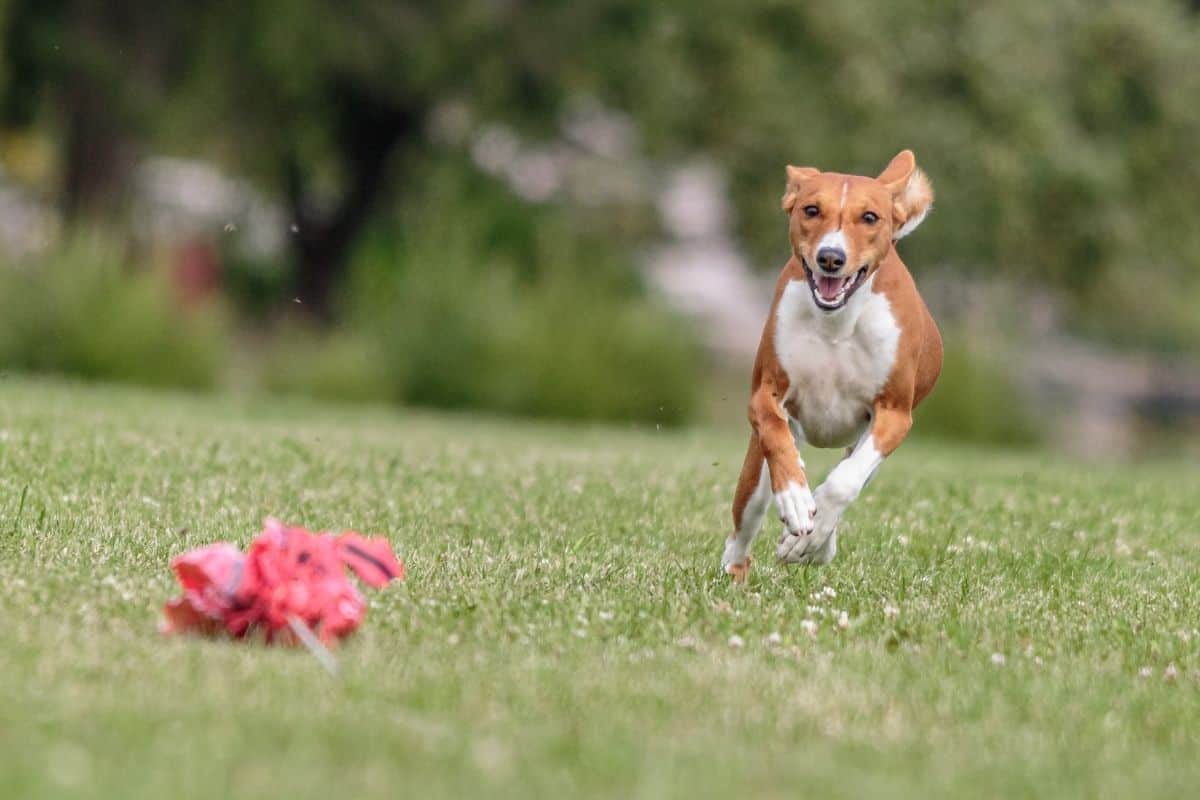
Lure coursing involves dogs chasing a mechanical lure that mimics the erratic movements of prey such as rabbits or squirrels. Courses often include turns and obstacles to test agility and speed. Events are held in open fields, allowing dogs to show their full athletic potential.
The sport became formally organized in the 1970s as a controlled alternative to live hunting. Today, various kennel clubs govern competitions with established rules and regulations. The goal is for the dog to follow and catch the lure, demonstrating quick reflexes and endurance.
A lure coursing event relies on key equipment: a lightweight lure—usually plastic or cloth—and a pulley system controlled by an operator to adjust speed and direction. Some courses feature intricate designs to challenge the dogs’ problem-solving skills.
Though sighthounds such as Greyhounds, Whippets, and Afghan Hounds excel, lure coursing welcomes any breed with a strong prey drive and good physical fitness.
Key Benefits for Dogs
Physical Fitness – Lure coursing provides an excellent cardiovascular workout, improving heart health, stamina, muscle tone, and overall strength. Regular exercise also supports weight management.
Mental Stimulation – Chasing the moving lure hones a dog’s focus and problem-solving skills, reducing behaviors like excessive barking or destructive chewing.
Socialization – Events give dogs the chance to interact with others, helping them become more comfortable in new environments and improving social skills.
Stronger Bond with Owners – Training and participating together enhance communication and deepen the relationship between dogs and their handlers.
Essential Equipment
-
Lure – A lightweight piece of plastic or cloth that catches the dog’s attention.
-
Lure machine or pulley system – Propels the lure and simulates prey movements; operators control speed and direction.
-
Course field – A spacious, obstacle-free area that allows dogs to run safely at full speed.
-
Boundary flags or markers – Define the course and guide the dogs, making the event organized and easy to follow.
-
Safety gear – Muzzles or harnesses can prevent injuries and give handlers better control during training.
-
Support tools – Stakes, ropes, and repair kits help set up and maintain the course.
Popular Dog Breeds for Lure Coursing
-
Greyhounds – Slim, muscular, and capable of reaching speeds up to 45 mph.
-
Whippets – Smaller than Greyhounds, with explosive speed and sharp turning ability.
-
Afghan Hounds – Swift and agile despite their long coats, with a strong prey drive.
-
Salukis – Known for grace and endurance, able to sustain high speeds over long distances.
Other breeds, including Basenjis, Italian Greyhounds, and some terriers, also participate successfully when they have strong prey drives and good physical conditioning.
Frequently Asked Questions
1. What types of dogs can participate?
While sighthounds like Greyhounds, Whippets, and Afghan Hounds often excel, any breed with a strong prey drive and good health can join. Many events have categories for different sizes and breeds.
2. How can I train my dog?
Build stamina through regular running and play. Introduce a lure in a controlled environment, starting with short distances. Use a lure pole at home and gradually increase difficulty. Join local clubs to expose your dog to a full course.
3. Are there health risks?
As with any vigorous activity, there’s a risk of sprains or muscle strains. Ensure your dog is healthy, maintain a proper weight, and schedule vet check-ups. Warm up before each run and provide rest and hydration.
4. What equipment is needed?
A lure machine or pulley system, a lightweight lure, a spacious course, and boundary markers. Safety gear like harnesses and muzzles can be useful. Beginners may consider starter kits or joining a club to access shared equipment.
5. How often should my dog participate?
Once or twice a week is a good starting point. Monitor your dog’s response and adjust frequency to balance exercise and rest.
Conclusion
Lure coursing is an exciting activity that taps into a dog’s natural instincts. It boosts physical health, sharpens the mind, and encourages socialization. Training and competing together strengthen the bond between dogs and their owners.
Whether you’re new to the sport or an experienced handler, lure coursing offers a safe, thrilling, and rewarding experience. With the right training, equipment, and safety measures, it can lead to happier, healthier, and more engaged dogs.
"*" indicates required fields