
WHAT STRESSES DOGS OUT? TOP TRIGGERS AND HOW TO FIX THEM.
It’s astonishing that up to 70% of dogs exhibit signs of anxiety, according to recent studies. Many of them face stress triggers that can deeply impact their overall well-being. Understanding these triggers is crucial for ensuring a healthy, happy life for our canine companions.
One of the most significant stressors for dogs is separation anxiety, which often stems from their evolutionary history as pack animals. Loud noises, such as thunderstorms and fireworks, are also notorious for causing panic in dogs. Regular exercise and creating a safe space can help mitigate these effects, ensuring your dog remains calm and comfortable.
Dogs can be stressed by separation anxiety, loud noises like thunderstorms and fireworks, changes in routine, unfamiliar environments, and meeting new people. Address these stressors by maintaining a consistent schedule, creating a safe space, providing mental stimulation, using calming products, and practicing gradual exposure to new situations.

WHAT STRESSES DOGS OUT? TOP TRIGGERS AND HOW TO FIX THEM
Many dogs experience stress due to separation anxiety. When left alone, they may feel abandoned and become anxious. This anxiety often leads to destructive behavior like chewing furniture or barking excessively. To help alleviate this, try leaving them with a favorite toy or treat. Gradually increasing the time they spend alone can also be beneficial.
Loud noises, such as thunderstorms or fireworks, are major stress triggers for dogs. These sudden, intense sounds can startle them and cause panic. Creating a safe space for your dog during these events, like a quiet room with soft bedding, can help. You can also use calming aids, such as thunder shirts or pheromone sprays. Consulting with a vet might also provide further solutions.
Changes in routine can be confusing and stressful for dogs. They thrive on consistency and knowing what to expect each day. Sudden changes in feeding times, walks, or sleeping arrangements can upset them. Keeping a regular schedule helps maintain their sense of security. If change is necessary, try to introduce it gradually to minimize stress.
New environments and unfamiliar faces can also stress dogs out. Dogs may feel threatened or uneasy in new places or around strangers. Early socialization can help them adapt better to new situations. Using positive reinforcement during these experiences can reduce fear. Always prioritize your dog’s comfort and be patient with their adjustment.

1. Separation Anxiety: Understanding This Common Canine Concern
Separation anxiety is a prevalent issue among dogs. They are social animals and crave companionship. When left alone, they can become anxious and stressed. This often leads to destructive behaviors like chewing or digging. If your dog exhibits these signs, it might be time to address their anxiety.
One way to help your dog cope with separation anxiety is through gradual desensitization. Start by leaving them alone for short periods, then gradually increase the time. This method helps them adjust without feeling abandoned. Also, creating a special safe spot in your home can provide comfort. A cozy corner with their favorite blanket or toy works well.
Using positive reinforcement can also be effective. Reward your dog for calm behavior when you leave or return. This way, they associate your departure with positive experiences. Consistency is key in reinforcing these behaviors. Make sure everyone in your household follows the same routine.
In severe cases, you might need to seek professional help. A vet can recommend specific treatments or medications. Consulting with a dog behaviorist can also provide tailored strategies. Combining these approaches ensures the best outcome for your dog’s well-being. Remember, patience and understanding go a long way in easing their anxiety.

2. Loud Noises: Thunderstorms, Fireworks, and Urban Clatter
Loud noises can be terrifying for dogs. Thunderstorms, fireworks, and even the bustling sounds of a city can cause significant stress. When these noises occur, many dogs tremble, hide, or bark excessively. Using a calming vest can help, as it applies gentle pressure, similar to a hug. Creating a safe, quiet space in your home can also provide comfort.
Thunderstorms can be particularly stressful due to their unpredictability. Dogs may sense the storm before it arrives, causing anxiety to build up. During storms, try playing calming music or white noise to mask the sound. You can also distract them with a favorite toy or treat. This method helps them associate storms with positive experiences instead of fear.
Fireworks are another common noise trigger. Their sudden and loud explosions startle many dogs, leading to panic. Keeping your dog indoors during fireworks displays is crucial. Close windows and curtains to minimize the noise and light. Providing a safe, comforting environment helps them feel more secure.
Urban clatter, like sirens and construction, can also stress dogs. Gradual exposure to these sounds can help them acclimate. Start with low volumes and slowly increase them over time. Using positive reinforcement when they respond calmly can assist. Always ensure their environment is as stress-free as possible.
3. New Environments and Situations: The Challenges of Adaptation
Dogs often find new environments and situations challenging. Moving to a new home, visiting the vet, or even going on vacation can cause stress. These experiences can overwhelm dogs with unfamiliar smells, sights, and sounds. To help your dog adapt, gradually introduce them to the new setting. Familiar items, like their bed or favorite toy, can provide comfort.
Social experiences, such as meeting new people or animals, can also be stressful. Dogs may feel threatened or anxious in these situations. Early socialization is key to helping them cope better with new interactions. Positive reinforcement can encourage a calm response when meeting new faces. Always supervise these interactions to ensure your dog’s comfort and safety.
Training your dog to handle new environments is essential. Start by exposing them to low-stress scenarios and gradually increase the complexity. For instance, take short trips to new places before attempting longer ones. Keeping these outings positive and rewarding helps build their confidence. Over time, they will learn to cope better with change.
New situations can also trigger stress due to unpredictability. Dogs thrive on routine and knowing what to expect. Sudden changes, like introducing a new pet or rearranging furniture, can confuse them. Keep disruptions to a minimum when possible. If change is necessary, introduce it gradually to ease your dog’s anxiety.
Creating a safe space in any new environment is crucial. A familiar, secure spot helps your dog feel grounded. In new homes, establish this area as soon as you move in. This will be their go-to place when they feel overwhelmed. Consistency in this practice provides them with a sense of stability.
Lastly, consider using calming aids like pheromone diffusers or anxiety wraps. These products can help soothe your dog in stressful situations. Consulting with a vet for additional strategies might also be beneficial. Tailored advice ensures your dog’s specific needs are met, promoting long-term well-being.
4. Changes in Routine: Why Consistency Matters to Your Pooch
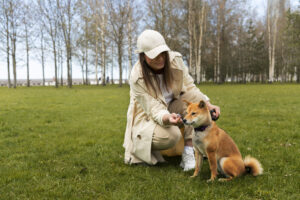
Dogs thrive on routine and predictability. Consistency in daily activities like feeding, walking, and bedtime provides them with a sense of security. When their routine is disrupted, it can lead to anxiety and stress. Maintaining a regular schedule helps keep your dog calm and content. Even small changes, like altering meal times, can make a big difference.
Frequent changes in routine can confuse your dog. This confusion can manifest in various ways, such as increased barking or destructive behavior. To help your pooch adjust, try to keep changes minimal. If adjustments are necessary, introduce them slowly. Gradual changes are less stressful and easier for your dog to handle.
Traveling or going on vacation can also disrupt your dog’s routine. In such cases, bring along familiar items from home. These could include their favorite toys, bed, or blanket. Keeping some aspects of their routine intact in a new environment helps them feel more secure. Consistency, even in new surroundings, reduces stress.
Unexpected events, like a family member’s sudden absence, can upset your dog. Routine helps them understand that despite some changes, their needs are still met. Reassure them with extra attention and positive reinforcement. This shows them that the essential parts of their day remain stable.
Regular exercise is part of a healthy routine. Dogs need physical and mental stimulation to stay happy. Incorporate walks, playtime, and training sessions consistently. This not only keeps them physically fit but also mentally engaged. A well-exercised dog is generally more adaptable to minor routine changes.
Consistency in training is also vital. Reinforcing commands and desired behaviors regularly helps your dog understand what is expected. Predictable training sessions build confidence. A confident dog is less likely to be stressed by sudden routine disruptions. Make training a fun and consistent part of their life.
5. Unfamiliar Faces: How Strangers Can Induce Stress
Meeting strangers can be a major source of stress for dogs. They may feel threatened or uneasy around unfamiliar faces. This stress can manifest through actions like growling, barking, or hiding. Gradual exposure to new people can help them adjust. Using treats and positive reinforcement during introductions can make the experience more pleasant.
Socialization from a young age is crucial. Dogs that are exposed to different people early on tend to be more relaxed around strangers. However, older dogs can also learn to be comfortable with new acquaintances. Start by introducing them to one person at a time in a calm environment. Encouraging interaction through fun activities can also ease their anxiety.
Understanding your dog’s body language is key to managing stress. Signs of discomfort, such as raised hackles or tucked tail, indicate that your dog needs space. Respecting these signals helps build their trust. Gradually decreasing the distance between your dog and the stranger can help. Doing so at a pace that suits your dog is essential.
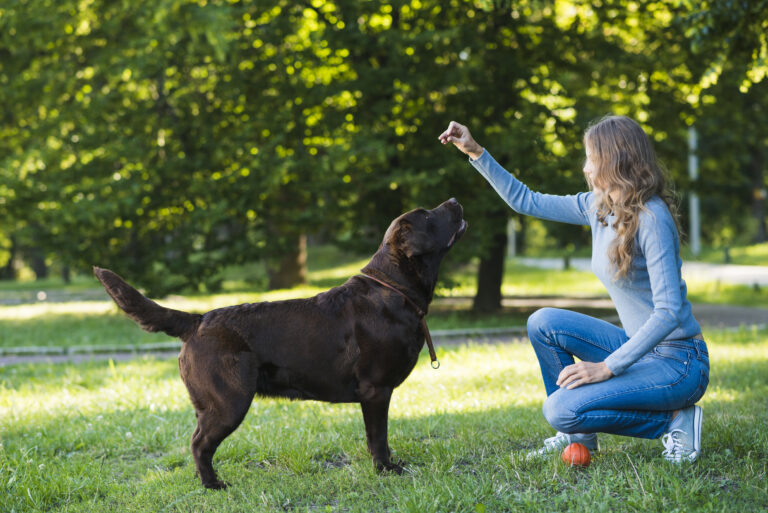
Having strangers offer treats can create positive associations. When a stranger offers your dog a treat, it can help them see new people as less threatening. This method works well in controlled settings like your home or a quiet park. Keep these interactions short and sweet to avoid overwhelming your dog.
Supervised playdates with other dogs and people can also be beneficial. These can take place in a familiar environment to reduce stress. Organizing small gatherings allows for controlled socialization. Over time, your dog will become more comfortable meeting new faces. Remember, patience and consistency are key.
In some cases, professional help might be needed. A veterinarian or dog behaviorist can provide strategies tailored to your dog’s needs. This guidance can be invaluable in addressing severe anxiety. Combining expert advice with gradual socialization can lead to significant improvements. Your dog’s comfort and well-being should always be the priority.

Effective Solutions to Alleviate Canine Stress
Alleviating canine stress starts with recognizing the triggers. Keeping a journal of stressful events can help identify patterns. Once identified, various strategies can be implemented to reduce their impact. For instance, providing a consistent routine can significantly lessen anxiety levels. Dogs feel more secure when they know what to expect each day.
Providing mental stimulation is another key aspect. Interactive toys and puzzle feeders keep a dog’s mind engaged and reduce boredom-induced stress. Regular exercise also plays a critical role in managing stress. A well-exercised dog is generally more relaxed and content.
Incorporating natural calming aids can be effective too. Products like pheromone diffusers or calming treats can help soothe anxious dogs. Additionally, creating a safe space for your dog is crucial. A quiet, comfortable area where they can retreat during stressful times provides reassurance.
- Pheromone diffusers
- Calming treats
- Interactive toys
- Puzzle feeders
Training and behavioral therapy are long-term solutions that build resilience against stressors. Positive reinforcement techniques encourage desirable behavior and build confidence in dogs. Consulting with professionals like vets or pet behaviorists might offer tailored approaches for severe cases.
Lastly, maintaining regular vet visits ensures there are no underlying health issues contributing to your dog’s stress. Health problems can sometimes manifest as anxiety or behavioral changes. Early detection and treatment of medical conditions are crucial for overall well-being. Always consider comprehensive care that includes both physical and emotional health.
Detecting Signs of Dog Anxiety Early: Why Vigilance is Key
Recognizing the early signs of anxiety in dogs is crucial for their well-being. Common indications include excessive barking, pacing, and restlessness. Other signs might be more subtle, like licking lips or yawning when not tired. Monitoring these behaviors can help catch anxiety before it escalates. Early detection allows for timely intervention.
Dogs often display physical symptoms when anxious. Shaking, panting, and drooling are typical signs. Changes in eating or sleeping patterns can also indicate stress. If your dog shows any of these symptoms, a calm environment might help. Reducing potential stressors can alleviate their anxiety.
Behavioral changes are another key indicator. A normally friendly dog might become aggressive or withdrawn. They may also show signs of destructive behavior such as chewing on furniture. Observing these changes over time is important. Documenting them can help your vet diagnose anxiety-related issues.
Routine vet checks can further assist in identifying anxiety. Vets can recommend specific treatments or behavior modification plans. Additionally, keeping open communication with your vet ensures comprehensive care. Vets can also rule out medical issues that might mimic anxiety symptoms. Proactive management promotes a healthier, happier dog.
Vigilance in understanding your dog’s unique behavior patterns is essential. Each dog expresses anxiety differently, so knowing what is normal for yours helps. Being attentive allows you to take appropriate actions quickly. Addressing anxiety early improves their quality of life. For severe cases, professional guidance is highly beneficial.
Maintaining Your Dog’s Mental Health: Long-Term Strategies
Maintaining your dog’s mental health is vital for their overall well-being. Regular exercise is a crucial component. It not only keeps them physically fit but also mentally stimulated. Physical activity helps reduce stress and anxiety levels. Daily walks, playtime, and new activities can make a big difference.
Mental stimulation is another key factor. Puzzle toys and games challenge your dog’s brain, providing necessary mental exercise. Rotating toys can keep things interesting and engaging. Training sessions are also beneficial. Teaching new tricks and commands keeps their mind sharp.
Social interactions are essential for a dog’s mental health. Regular playdates with other dogs or visits to dog parks can foster social skills. Ensuring positive experiences with different people and animals helps prevent anxiety. Supervision during these interactions ensures they are both safe and enjoyable.
Consistent routines contribute significantly to a dog’s sense of security. Predictable schedules for feeding, walking, and bedtime provide comfort. Sudden changes can cause stress, so maintaining consistency is key. If changes are inevitable, gradually introducing them helps ease the transition.
Healthy diet and regular vet check-ups are fundamental. A balanced diet supports both physical and mental health. Regular vet visits help detect and address any underlying issues early. Vets can offer guidance on specific needs based on your dog’s health and behavior.
Consider incorporating natural supplements or calming products if needed. Items like CBD oil or calming chews can support mental well-being. Always consult your vet before introducing new supplements. Long-term strategies often combine multiple approaches for the best results. Your dog’s happiness and mental health are worth the effort.

Frequently Asked Questions
Understanding and managing dog stress is essential for any pet owner. Here are some common questions about canine stress and how to handle it effectively.
1. Why do dogs experience separation anxiety?
Dogs experience separation anxiety because they are social animals who bond closely with their owners. When left alone, they may feel abandoned and become anxious. This anxiety often manifests in behaviors like barking, chewing, or scratching at doors.
To help reduce separation anxiety, gradually increase the time your dog spends alone and provide them with comforting items such as toys or blankets. It can also be beneficial to establish a consistent routine and avoid dramatic departures or arrivals.
2. How can I help my dog during thunderstorms?
Thunderstorms can be particularly frightening for dogs due to the loud noises and flashes of light. To help your dog, create a safe, quiet space where they can retreat during storms. You can also try playing calming music to mask the sounds of thunder.
Another effective method is using anxiety wraps or thunder shirts, which apply gentle pressure to help your dog feel secure. Additionally, staying close to your dog and providing comfort during storms can significantly reduce their stress levels.
3. What are some signs that my dog is stressed?
Common signs of stress in dogs include increased panting, trembling, excessive licking or yawning, and changes in appetite or sleep patterns. Dogs might also become more vocal or exhibit destructive behaviors like chewing and digging.
Observing these signs early can help in addressing the causes of stress. You can consult with your vet to rule out any underlying health issues and develop a plan to manage and mitigate your dog’s stress effectively.
4. How can I socialize my dog with new people and pets?
Start by introducing your dog to new people and pets in a controlled environment. Use positive reinforcement by rewarding your dog with treats and praise for calm behavior. Gradual exposure helps build their confidence over time.
Organize small playdates or walks with familiar, well-behaved dogs to ease the introduction process. Always monitor interactions to ensure safety and provide support when needed.
5. Can diet affect my dog’s stress levels?
Yes, diet can play a role in your dog’s stress levels. A balanced diet with the right nutrients supports overall health, including mental well-being. Some dogs benefit from diets that include supplements like omega-3 fatty acids, which can help reduce anxiety.
Consult your vet for dietary recommendations tailored to your dog’s specific needs. Along with a proper diet, ensuring regular exercise and mental stimulation are crucial for maintaining your dog’s overall health and reducing stress.
Conclusion
Understanding the triggers that stress dogs out is essential for their well-being. By recognizing signs and employing effective solutions, you can significantly improve your dog’s quality of life. Consistency, patience, and proactive management are key to reducing anxiety and promoting mental health.
Implementing strategies like maintaining a routine, providing mental stimulation, and offering comfort during stressful events can make a big difference. Always consult with professionals for tailored advice. With the right approach, you can ensure a happier, healthier life for your furry friend.
"*" indicates required fields